Skip to content


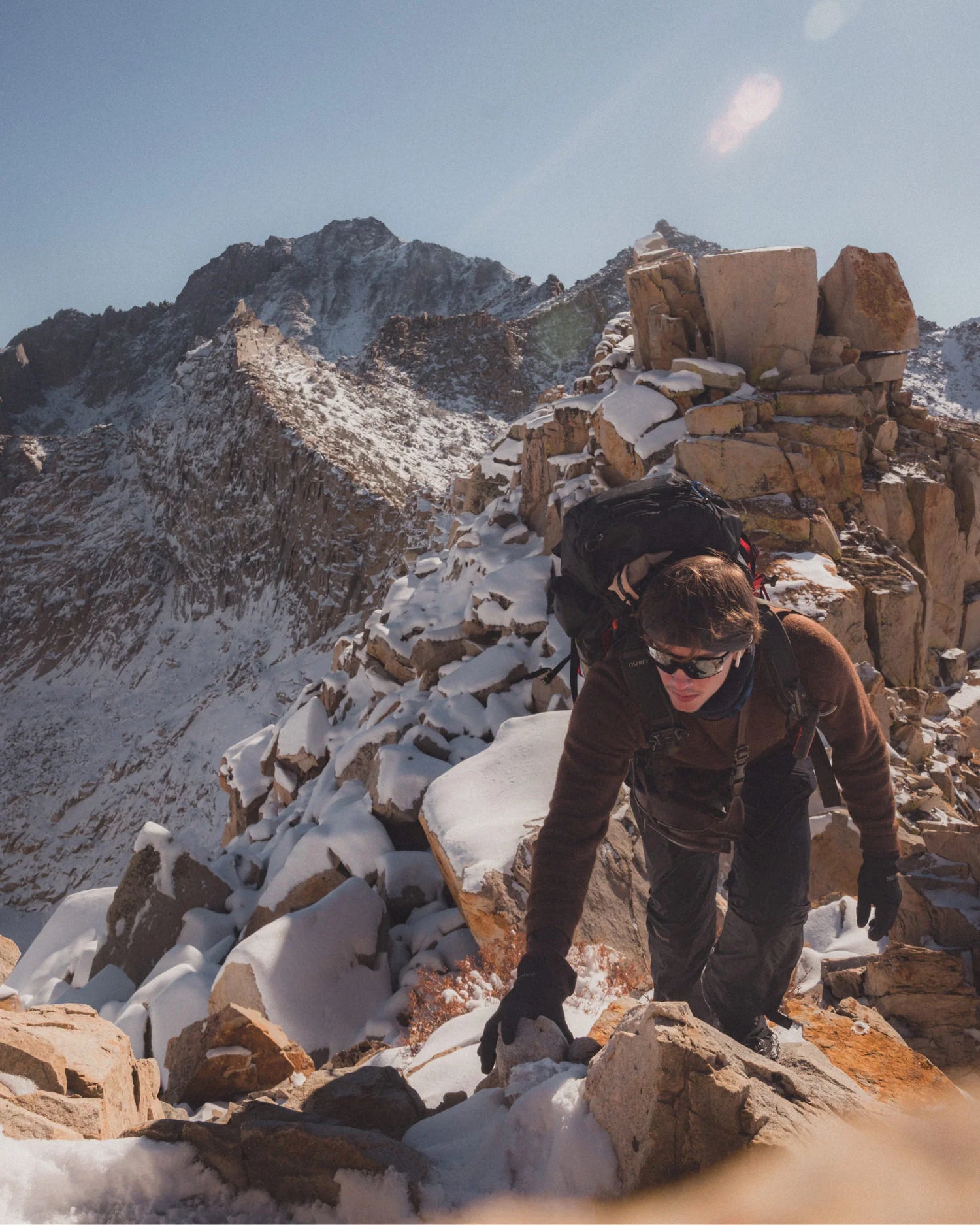
In May of 2025, creators Quin Gable, Brayden Hall and Melissa Miller set out for the highest altitude they had ever hiked—5200 meters (over 17,000 feet)—almost 1,000 meters higher than any previous adventure. With guidance from Noe Cruz and his crew, plus plenty of PAKA layers, they embraced unexpected weather, altitude challenges, and lots of new fleecy friends during a seven-day circumnavigation of Ausangate.
Here’s what they discovered about Peru, themselves, and life.


#1: Physical & Mental Prep is Key
Quin: Prior to the trip, I was nervous about how my body would react to the altitude. I didn’t grow up hiking and my first backpacking trip wasn’t until I was 29 years old, so these adventures are still pretty new to me. I was careful about my water and electrolytes intake, and just overall readiness every day leading up to the trip. We made sure to spend a few days acclimating in Cusco, which was essential. However, the minute we started the trek and I saw what Ausangate looked like, my mind forgot all these worries.
Brayden: I had done the four-night Ausangate trek in 2018, and seven years later, it was time to do it all over again… But better. After connecting with our guide and now forever friend, Noe, we decided to do a six-night, custom photography fuelled, high-altitude, Ausangate circumnavigation extravaganza. I was a little nervous about going on a trek at this altitude and length. Physical preparation is key and I wish I spent more time training prior.


#2: Don’t Be Scared to Take It Slow
Quin: Within the first few hours, we were greeted with a rainstorm that resulted in a massive rainbow over Ausangate. How’s that for a welcome to our new home for the next seven days! It wasn’t until after I gleefully sprinted everywhere screaming about the rainbow that I realized how out of breath I was from the altitude, and that I might need to calm down to preserve energy for the rest of the days. When we were going up the passes at such a high altitude, I was struggling because my body couldn’t hike the way I was used to. I would try to go faster and have to stop immediately. It wasn’t until I realized that I needed slow, short and consistent movements, that I realized I could keep going until the top. Works pretty well with life too.
Melissa: Even after acclimating, I was almost instantly out of breath within the first ten minutes of the seven-day trek, and I knew I was going to be pushing my limits in a lot of ways. It was an exciting but unsettling feeling—not knowing how my body would react to the elevation. But I think the excitement of starting that first day was overriding any negative effects of altitude, as I was consistently distracted by the stunning views of Ausangate.
#3: Celebrate the Peaks, Learn from the Valleys
Melissa: Every night at dinner, we took turns sharing our peaks (high moments) and valleys (low moments) of the day. A notable peak for me was how strong and empowered I felt on the last day of the circumnavigation. We found our stride, and finally didn’t have to stop every 20 feet to catch our breath! Challenges like this really push the bar of what you think you’re capable of, and I think it’s so important to continue finding experiences like this. It absolutely transfers into every other aspect of life, long after the journey is complete.
My valley for this trek? The weather, for sure. We had no idea what was in store for us when we started off, but the mountain was quick to give us a reality check with rain, a rainbow, hail, and then being completely fogged in on DAY ONE. I lived in my PAKA thermals and puffer jacket, as it was so much colder than I thought it was going to be. Waking up in snow the first time was actually really fun, and something I’ve never experienced camping. But waking up in snow twice? That had me ready for lower elevation and higher temperatures.


Quin: Peaks... Whenever someone asks about the trip, I say the same thing: “I’m pretty sure the seven-day Ausangate trek ruined all other treks for me…” It was the most incredible trek of my life, and each day kept getting better and better. Experiencing things my body has never been put through before, like camping at 16,800ft during a hail storm with lightning (spooky but incredible!), cold plunging in a glacier lake at 16,000ft, or camping in an unexpected blizzard.
Valleys… hmm. Is it cliche to say I don’t have any?? Maybe that at the end of the seven days, I had to re-enter society with cell service? I could have stayed out there for a month!
Brayden: This was a special trip for me. It had been quite some time since I had done a trip like this, but the moment I set foot on the trail, we were greeted by herds of hundreds of alpacas and my nervousness evaporated. I was back in one of my favorite places on the entire planet, and I was ready to spend more time here than ever before. I’d say the only thing that came slightly close to a low point for the trip was the weather. We had some sporadic conditions. Hiking through a hail/lightning storm was definitely a slightly terrifying experience. Also, camping at 5000m in a blizzard was a weee bit chilly. But luckily, our PAKA gear had us protected from literally everything the Andes threw at us on this adventure.


#4: Support Matters
Quin: For this journey, you can choose to do it supported or unsupported—either by yourself or with a guide and porters. After connecting with PAKA and the team, we were introduced to our guide, Noe, who put together the most incredible Quechuan local team of two horsemen & two chefs. This really made the trip for me. Had we done the trek unsupported, we would have missed so much of the culture that the guides and porters introduced us to– from learning new Quechuan words to meeting local Alpaqueros on the trail to seeing new ways to catch fish & cook local dishes… It was the perfect way to see Peru & the beauty beyond just the mountains & views.
Melissa: I learned just how valuable hiking with a crew can be. With most of my exposure being hiking in the United States, I feel like “doing it unsupported” is praised more. But if we had not done this with a local guide, we’d be missing out on so much of the culture, local foods, and friendships that we experienced here. Having a guide that spoke not only Spanish, but also the indigenous Quechua language was invaluable and made it so much more than just another “challenging trek”. This whole experience was a good reminder that sometimes shared experiences are worth more than any bragging rights or summit badge.


#5: Community (and Communication) Is Key
Quin:Communication is so important! This was my first time doing a trek like this with the same group for seven days, and I loved how we all shared how we were feeling — whether someone needed a slower pace, extra rest, or just a moment to regroup. What made it even more remarkable was that not everyone spoke English, yet we were still able to move together, support one another, and build trust along the way. It was a beautiful reminder that connection goes beyond words.
Brayden: Although I had done this trek before years ago, experiencing it again with two of my favorite humans made it feel completely new. Life, my body, and my perspective have changed since then, and every day brought fresh views, sights, and moments I will always remember. I realized that sometimes doing something once isn’t enough. Returning to places you love, with new people and new experiences under your belt, lets you see them in an entirely different way. It was amazing to explore areas I hadn’t seen before and revisit my favorite spots around Ausangate, watching my friends’ faces light up as they experienced it for the first time.
#6: Respect La Pachamama
Quin: One of my favorite learning moments was seeing how much respect the Quechua people have for their land and community. In Peru, this respect is often expressed through reverence for La Pachamama, or Mother Earth, who is seen as a living, nurturing force that sustains life. Communities give offerings and act mindfully to honor her, maintaining balance and gratitude for what the land provides. Along the trek, I noticed offerings at nearly every overlook, and our guides were intentional about what they ate, making choices that honored the land. Every step of the way, we were reminded to respect nature. Back home, community and land can sometimes be forgotten, so witnessing this was a really lovely reminder of what truly matters at the end of the day.


#7: Alpacas Are Always Awesome!
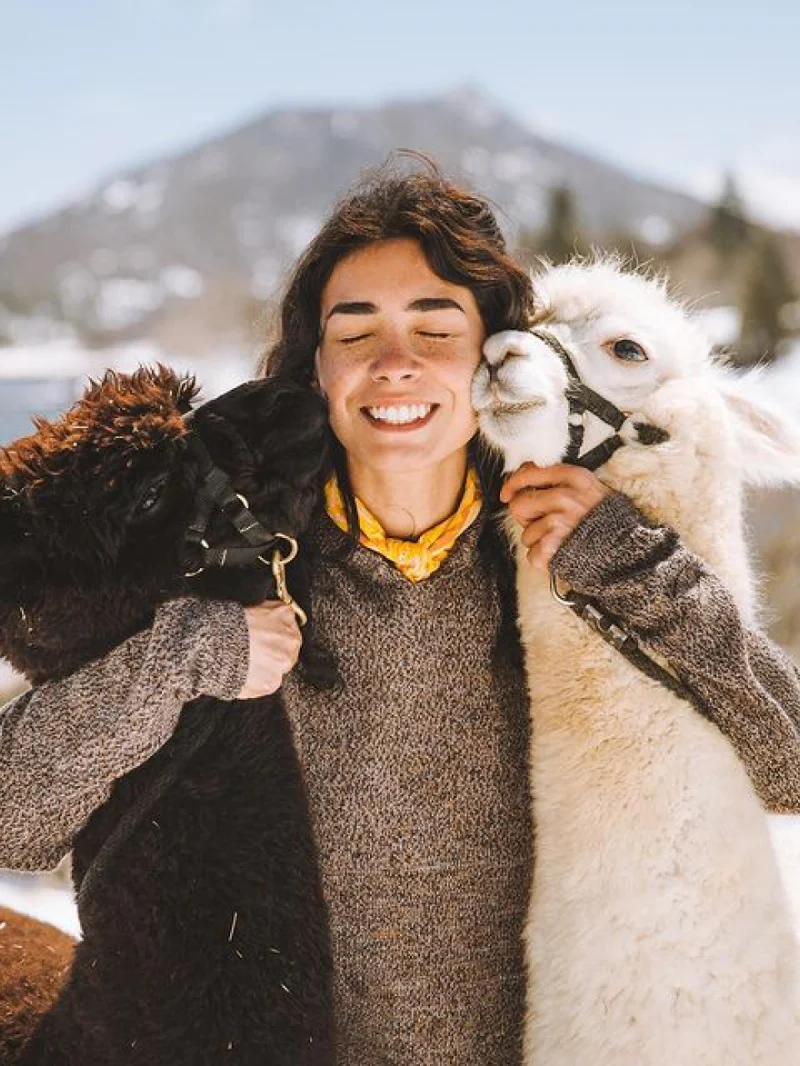
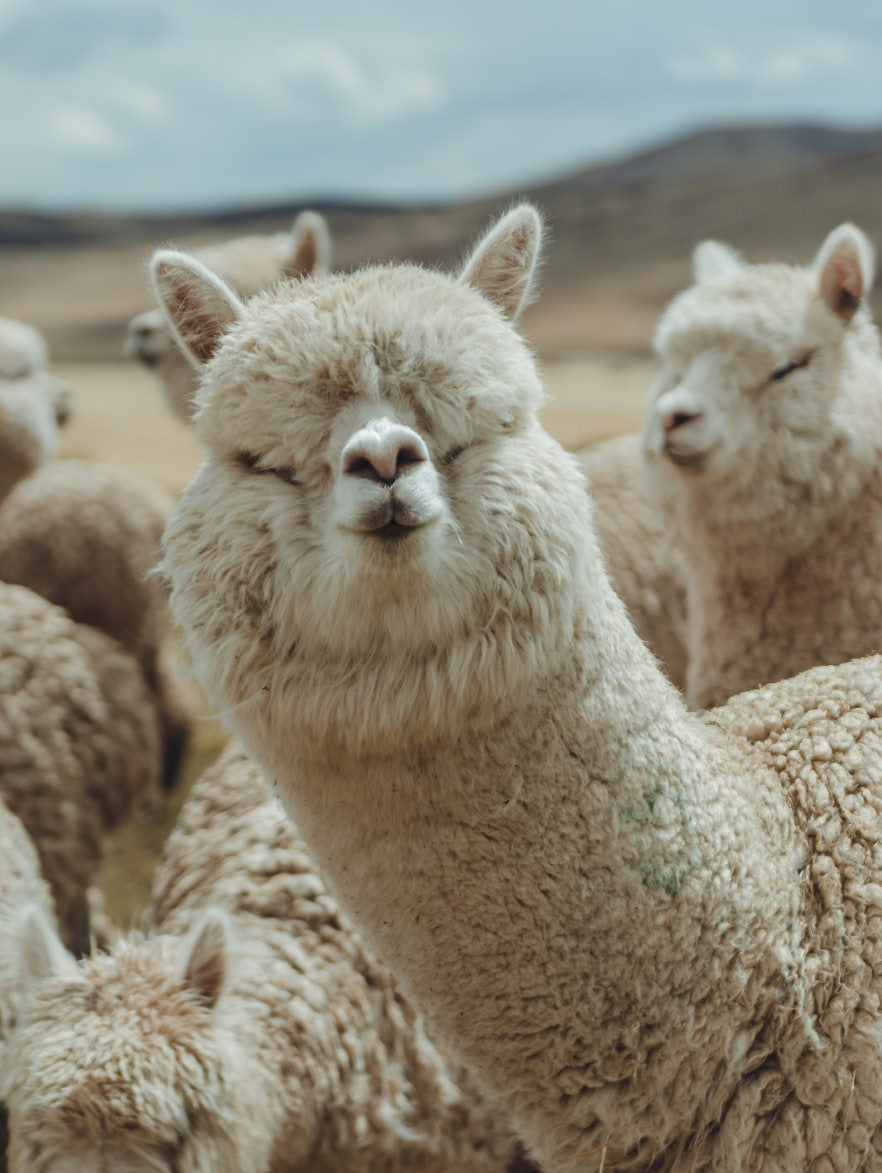
Quin: I learned that alpacas are STILL, in fact, my favorite animal on the face of the earth. They make my heart and soul so happy as I watch them bound throughout the mountainside. Plus I discovered that alpaca wool is actually a lot more water-resistant than I expected! During all of the weather changes, my sun hoodie kept me warm, didn’t get too wet with light rain, and dried really quickly!
Brayden: There is literally nothing more magical than hiking through the towering peaks of the Peruvian Andes, as the sun is setting, while you’re surrounded by herds of hundreds of alpacas all looking at you going, “merrrrrr”.
Links:
Melissa Miller: Trek Story
Quin Gable: Profile
Brayden Hall: Profile,
Website
This is a product carousel. Use the Next and Previous buttons or swipe left or right to browse through the available slides.
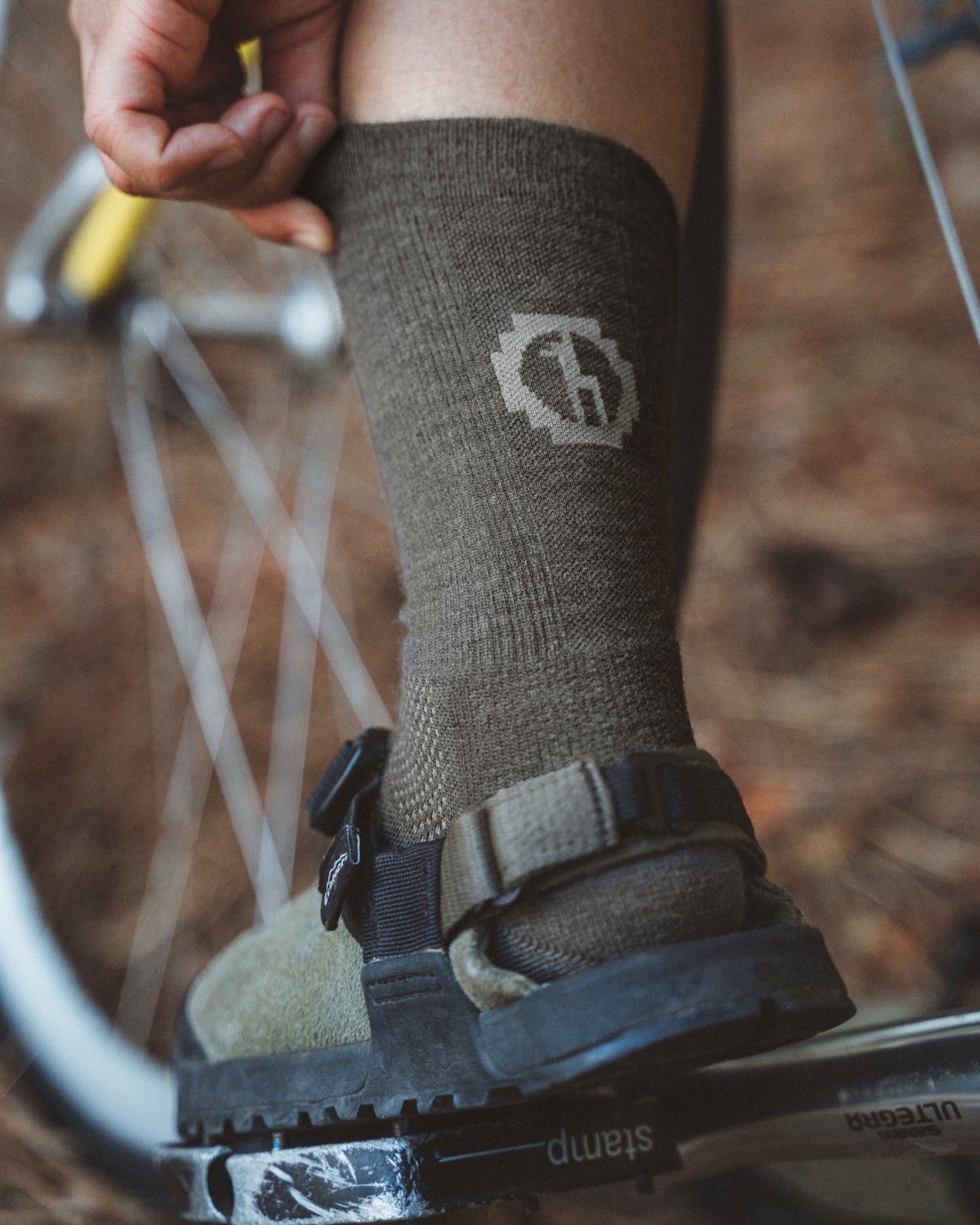
Quin’s Packing List












This is a product carousel. Use the Next and Previous buttons or swipe left or right to browse through the available slides.
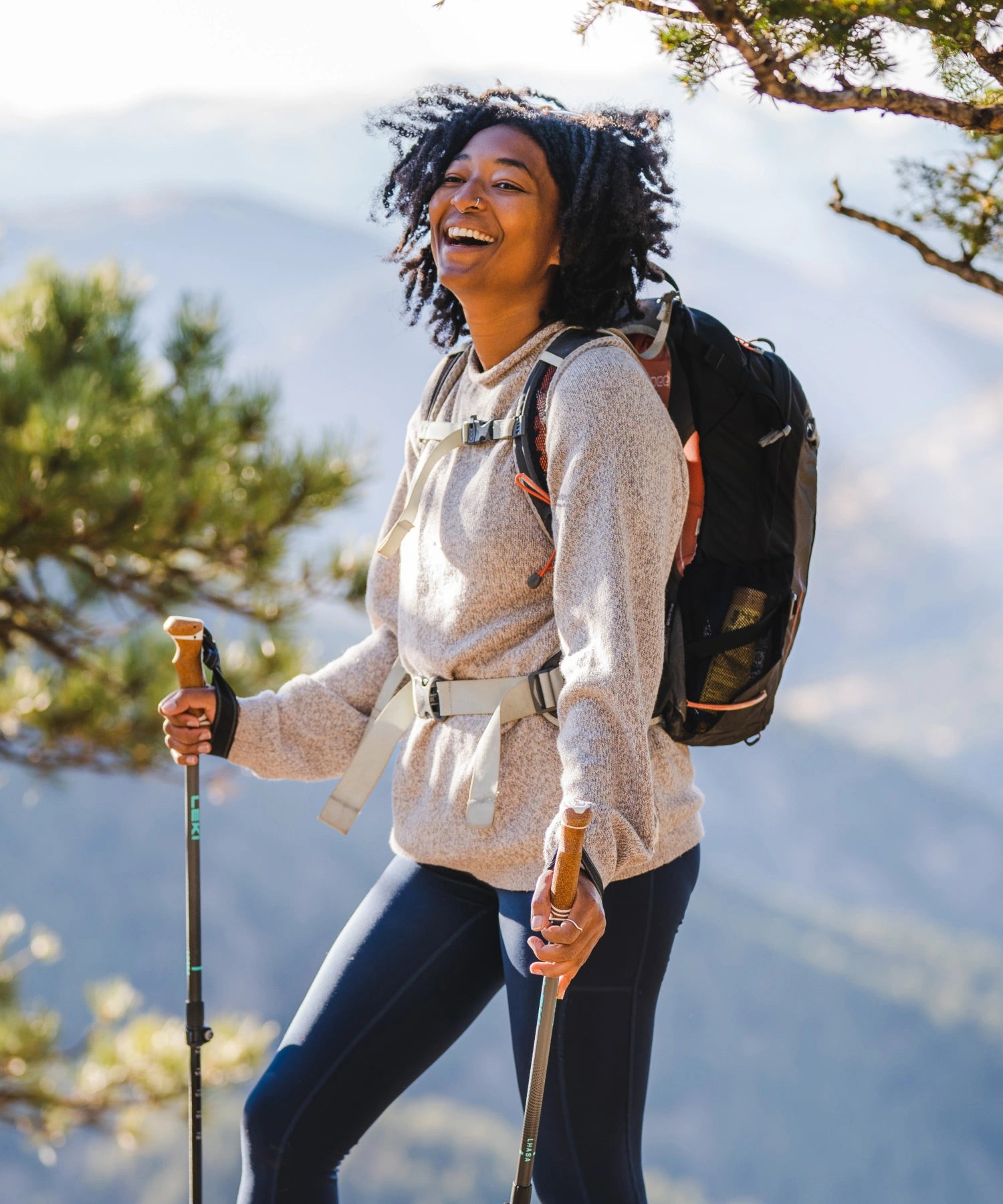
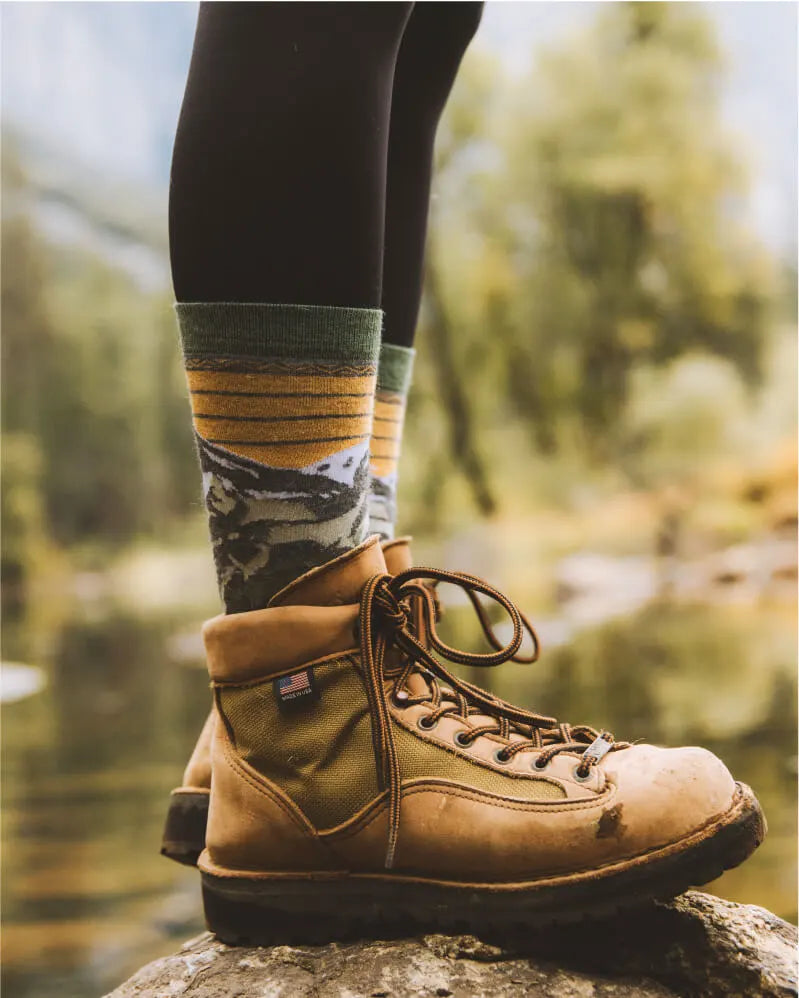
Melissa’s Packing List











This is a product carousel. Use the Next and Previous buttons or swipe left or right to browse through the available slides.
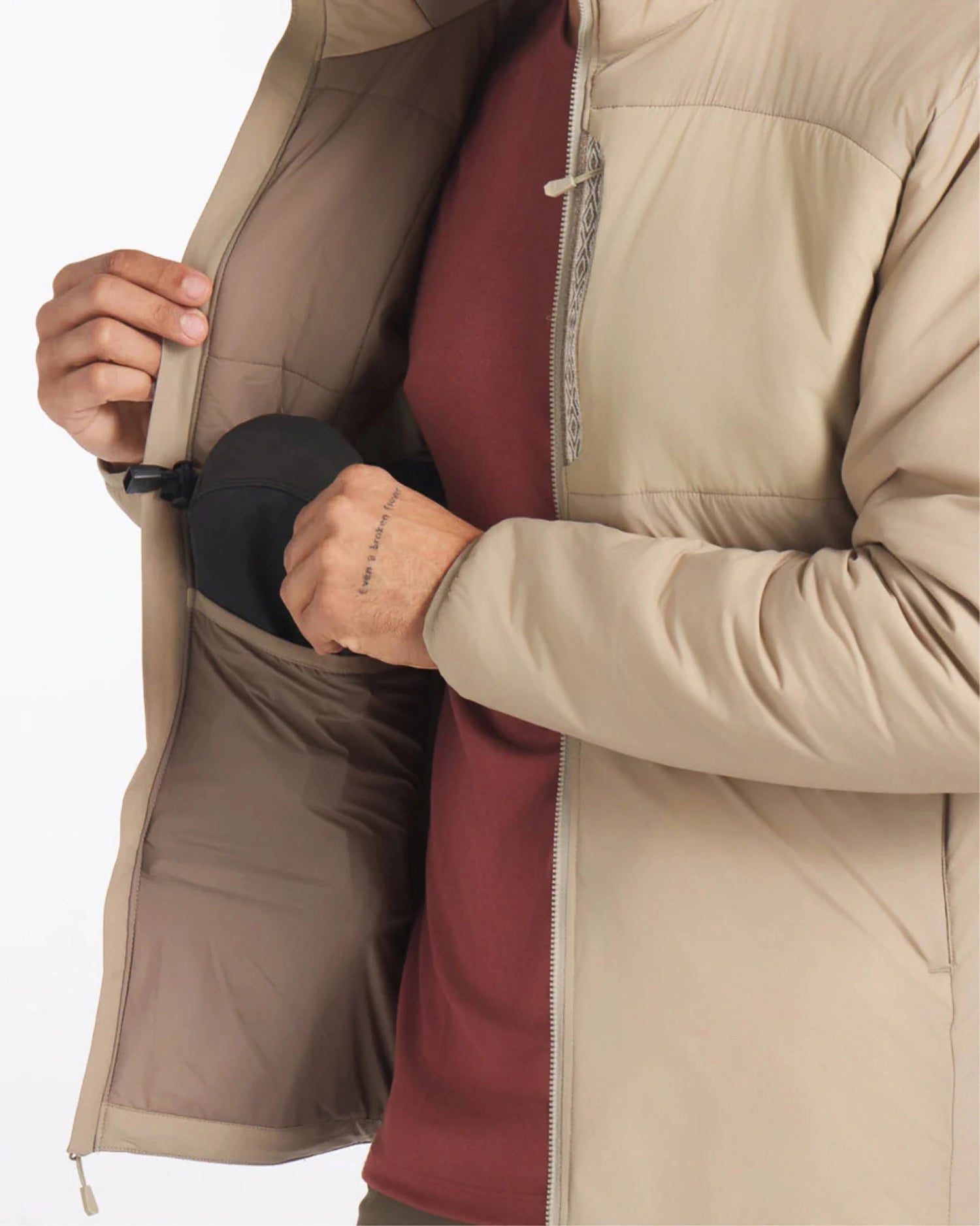
Brayden’s Packing List




Join the herd.
We grant our community private access to new products and exclusive offers.