Skip to content


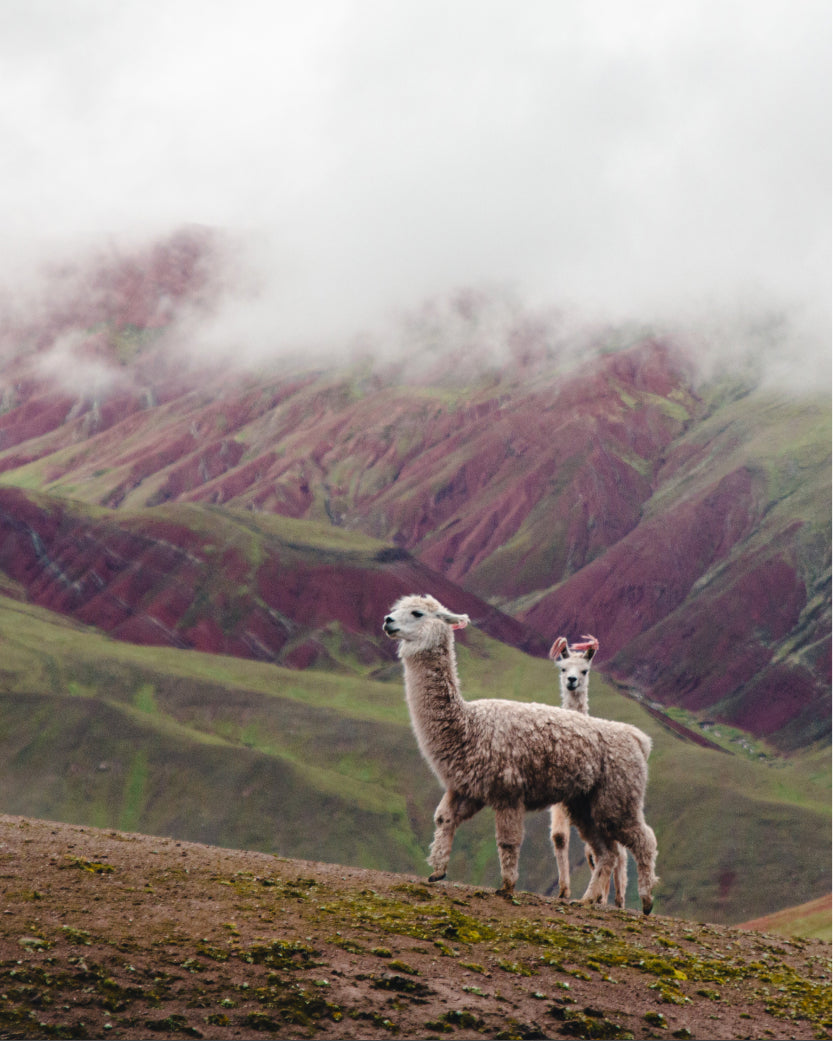
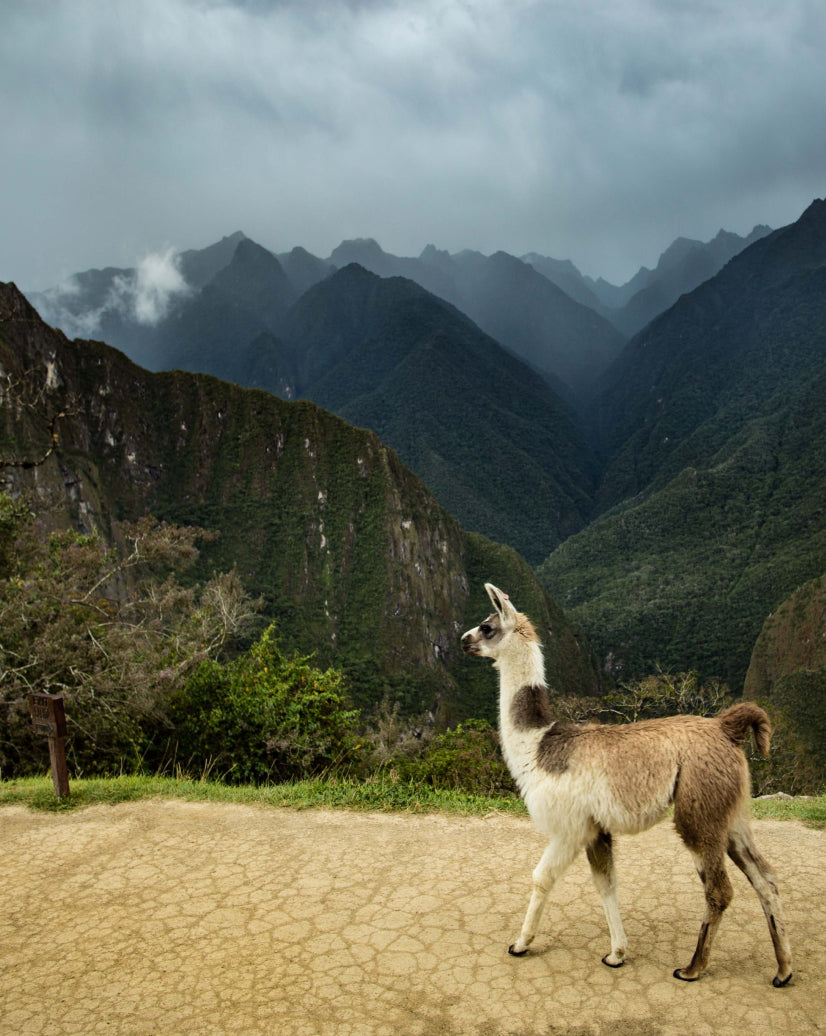
The alpaca has evolved in one of the most rugged, dynamic climates on planet earth.
It's a place that hits both extremities in a day


-
5°F
-
32°F
-
55°F
The alpaca thrives in both of these extremities, making it the most versatile and functional natural fiber on the planet.

Alpaca, "the Fiber of the Gods"

Thermoregulating

Moisture-wicking

Odor-resistant (seriously)

3x lighter than
sheep’s wool

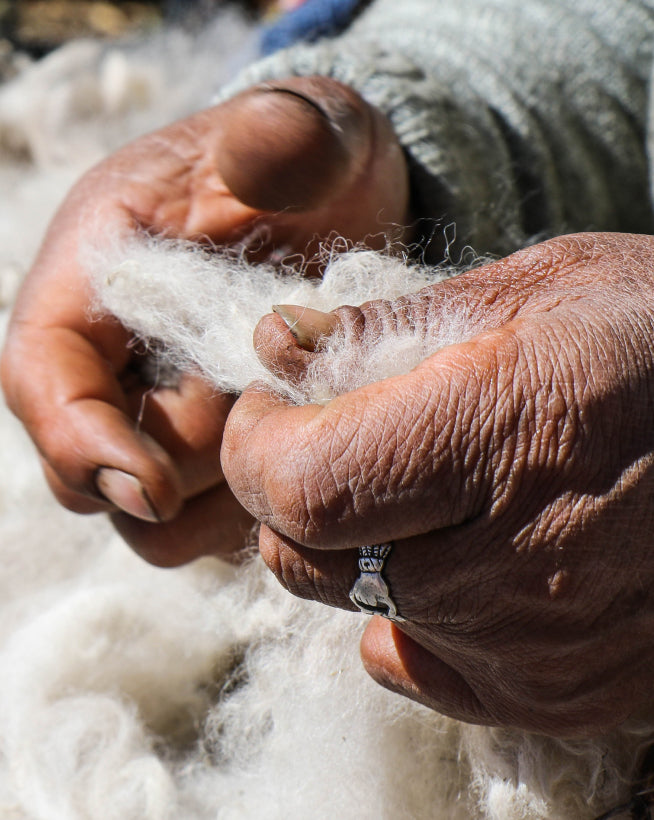
Soft as cashmere

Highly durable (50 N/ktex)
What makes alpaca so sustainable?
They’re gentle
Alpacas nibble only the tops of grasses and other plants; they do not rip plants out of the ground, allowing vegetation to grow back
No footprint
Unlike goats and sheep, which have sharp hooves that damage pasture and soil, alpacas have paws that leaves no trace behind.
Natural environment
Alpacas roam free in their natural habitats supporting biodiversity. Living high in the Andes, they require far less food and water than goats and sheep.

They’re efficient
One alpaca shearing provides 16x the material a goat shearing does. It takes 64 goats to produce the same amount of sweaters as 1 alpaca.

1x alpaca 4x sweaters


4x goats 1x sweater

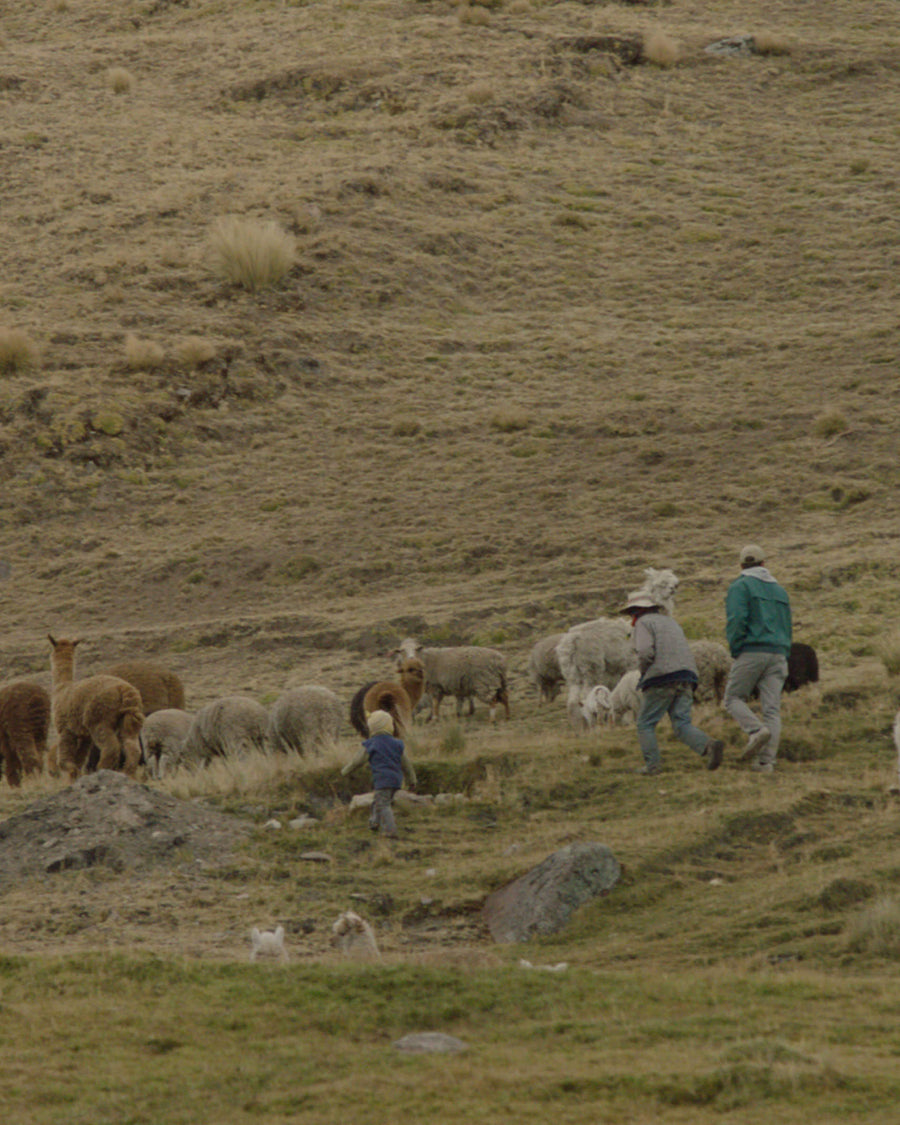
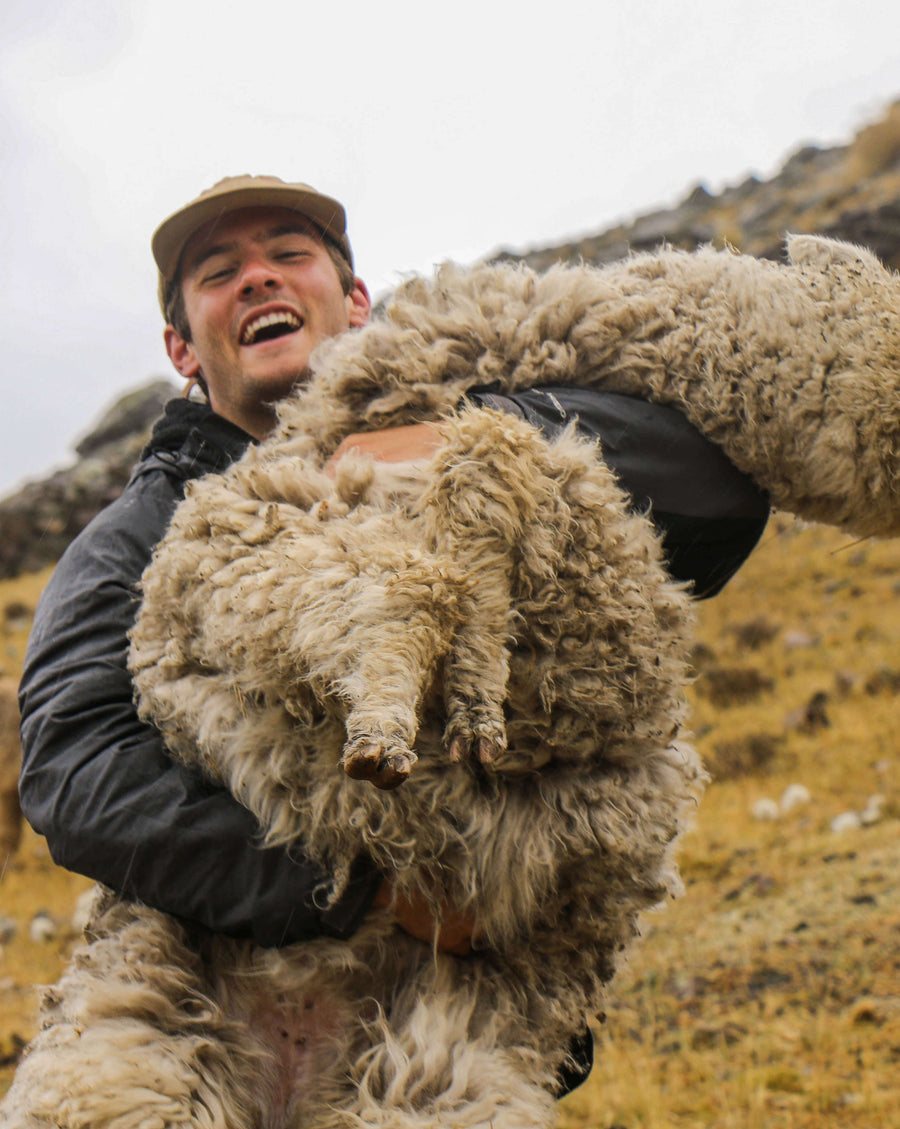
Here alpacas roam free in perfect harmony with the land and farmers

Alpacas are gentle on the natural environment where they evolved and roam free. They move with their alpacaqueros through the season to follow the most fertile grasses.

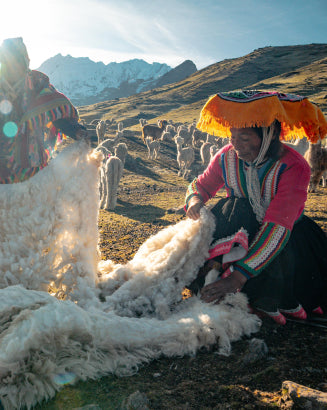
Small-scale and regenerative, alpaca farming in the Andes Mountains stands as a unique example of what ethical farming practices can look like. Behind every garment, there is a fiber; behind the fiber, there is an animal; behind an animal, there are people taking care of the delicate and mutually beneficial balance between the Pachamama (mother earth), the alpaca, and the alpaquero.

In the high Andes, alpacas are cared for by more than 86,000 families on small scattered farms of 60-90 alapcas. Alpacaquros shear the alapcas 1-2x per year and this shearing provides for the families while protects alpacas from overgrowth.