Skip to content


In the Andes, mountains are more than stone and snow—they are Apus, sacred spirits who watch over the people. At the heart of the Cusco region, Ausangate stands as one of the most revered of them all. For those who live in its shadow, the towering 6,384-meter peak is not something to be conquered, but respected.
With a shared reverence for the land, people, and traditions of Peru, PAKA partnered with adventure photographers
Bianca
and Ronnie to document this awe-inspiring Apu. For them, it wasn't just an expedition. It was a chance to listen, learn, and move humbly through sacred space—complete with a harrowing experience that only added to their admiration.


The Start of the Journey
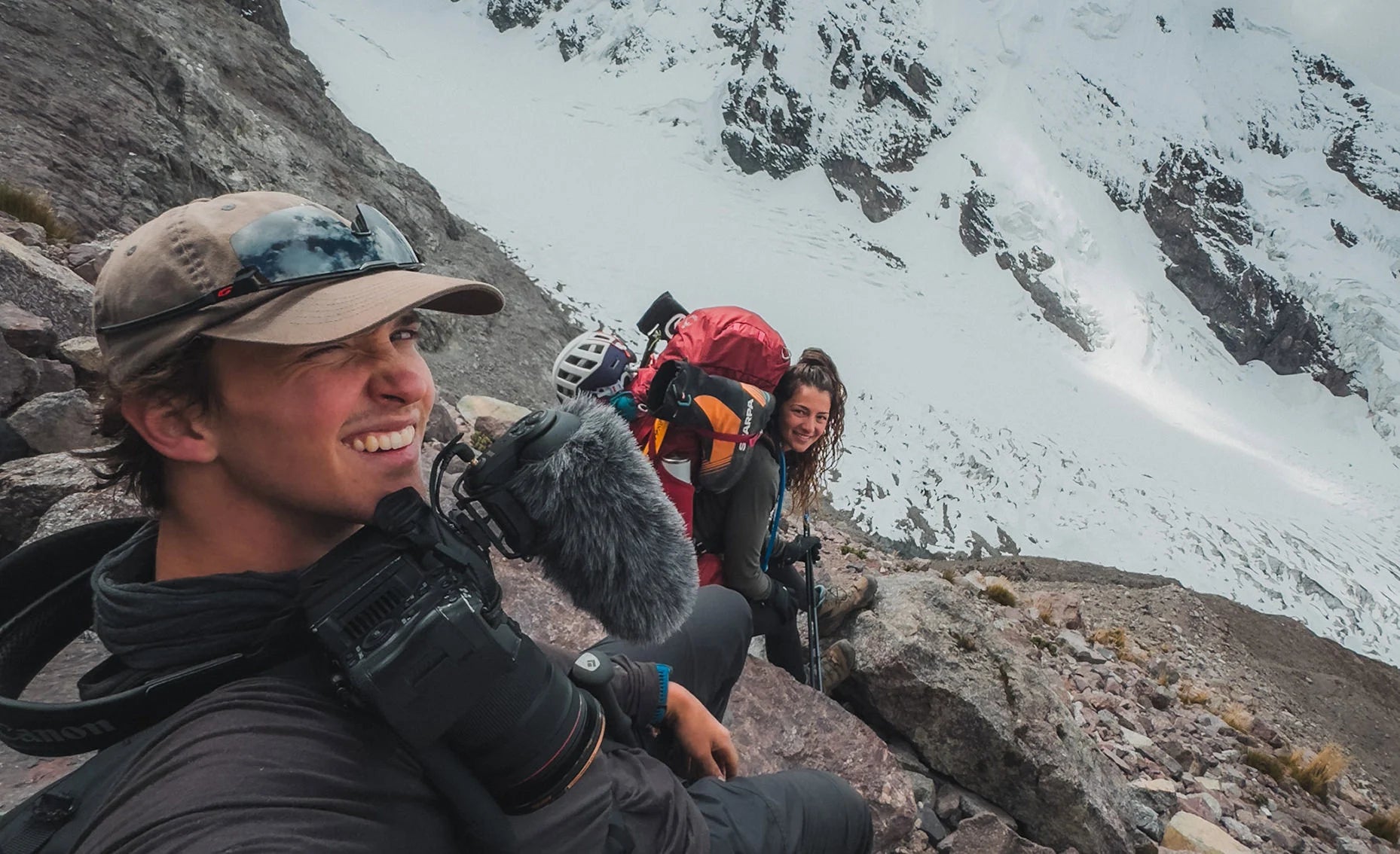
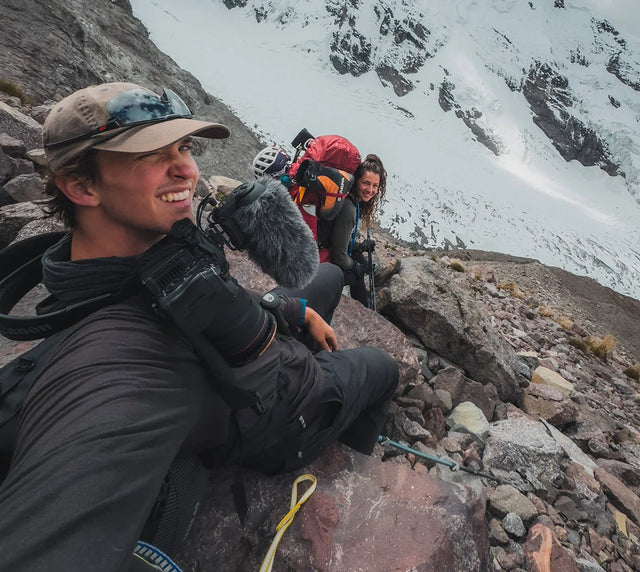
Bianca: After a long flight from the States, we were finally on a bus leaving Cusco, heading toward the small village of Tinke. Our guide Héctor—a perfect embodiment of Peruvian warmth and hospitality—had invited us to stay at his home the night before our climb. The plan for the day was to rise early and make the drive to Pacchanta, a quiet mountain town nestled beneath the towering north face of Ausangate. From there, we would begin our trek to Jampa base camp, perched at an altitude of roughly 4,800 meters. The journey was long, and the altitude was hitting us hard, but we were all eager to get closer to the mountain.
Ronnie: The north slopes of the Vilcanota are rugged, untamed, and incredibly beautiful. As we neared the base of Ausangate, the people who call these highlands home, amazed me. It's hard to imagine living in a place so remote, with towering mountains surrounding you every day.


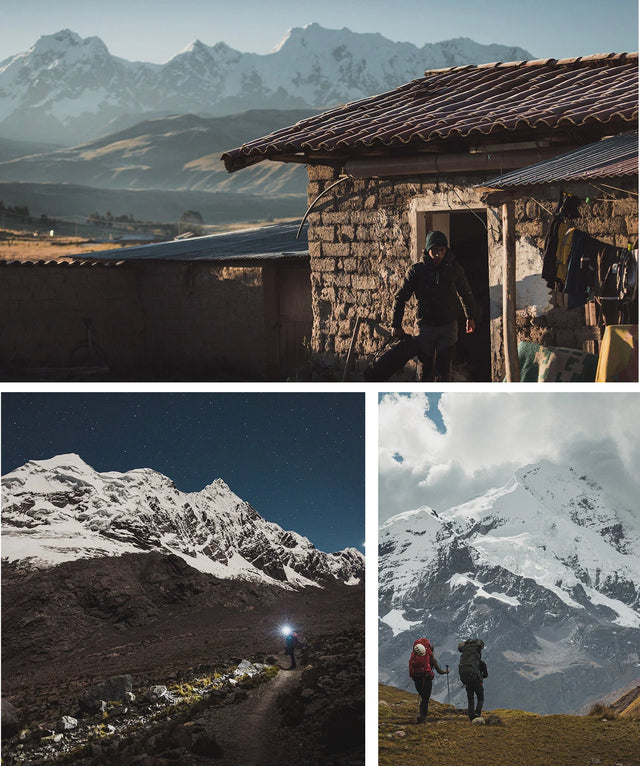
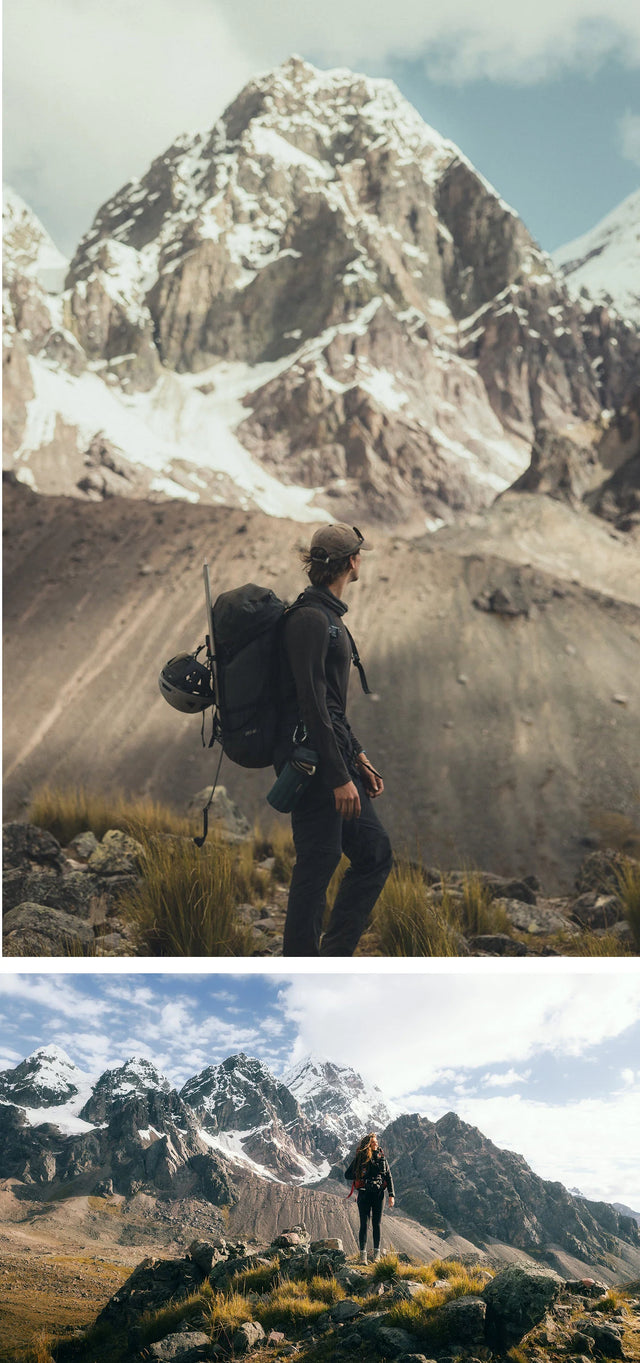
Bianca: We woke at 2 a.m., groggy and battling splitting headaches from the rapid acclimatization. Under a sky full of stars, Ronnie and I began the slow march toward Jampa Pass—a well-known landmark along the Ausangate trek. From there, we would veer off to the right, leaving the main trail behind as we started our ascent. The climb felt hard, but with each step, the mountain began to feel more like a presence than just a place.
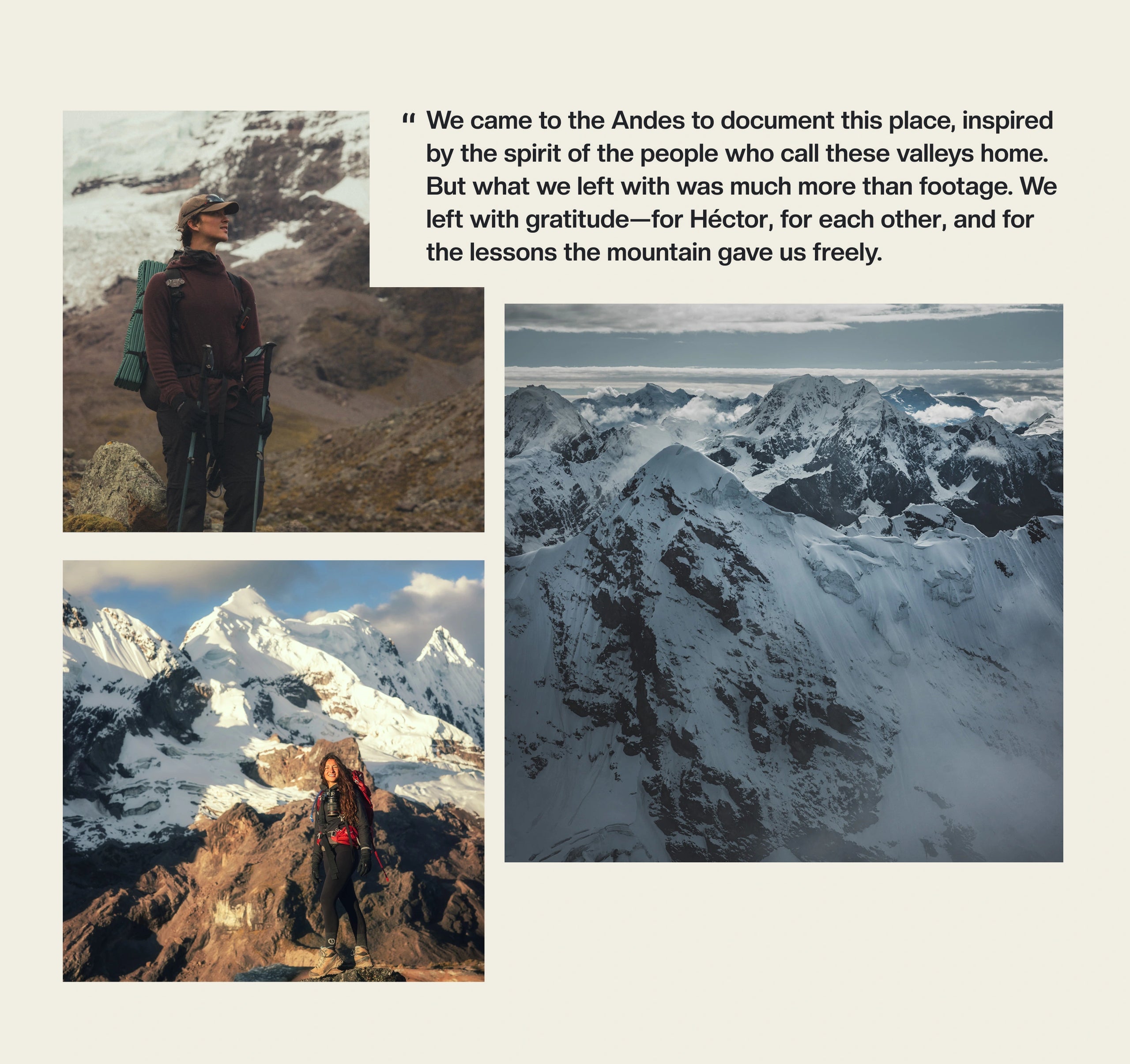
Ronnie: After summiting Jampa, we were rewarded with views of Ausangate, the Mariposa group, Callangate, Jatunhuma, and so many other iconic and sacred mountains. The altitude made the climb slow, but the moment we stood looking out at these immense giants, we felt a sense of awe and respect. The mountains are massive, their power palpable, and they have a way of making you feel small.


Off to Ausangate
Bianca: After a rest day in Tinke, we set out early in the morning toward the south side of Ausangate to begin the next phase of the expedition. As we drove higher into the mountains, we passed endless alpaca farms scattered across the vast, rolling highlands. The winding road made us both incredibly carsick, but it was hard to focus on anything other than the raw beauty surrounding us—wide-open valleys, snow-covered peaks, and that quiet, powerful energy only the Andes seem to hold.
Ronnie: We were in the middle of nowhere when we hit our starting point for the trek. The only thing for miles was a small home marking the starting point. Ausangate, Jatunhuma, and the Mariposa group towered above us. The sight of these sacred peaks gave us the strength we needed to keep moving forward.
Bianca: The hike to base camp was long and brutal, made worse by packs that felt twice our size—mine nearly half my body weight. Ausangate loomed ahead, seeming to retreat as we approached. The next day, clouds hung low as we pushed toward the 5,400-meter high camp on the south ridge. The loose, steep rock slowed us down, glaciers receding below. As we crested the ice-field, the jagged Mariposa peaks came into view—some of the most stunning terrain Ronnie and I had ever seen.


The Final Push
Ronnie:
At high camp, we took up the drone to scout the route for the summit day. After being at a stalemate between two options, we ended up going with the rocky and technical ridge that veers right and connects to the main south ridge.
Bianca: We soaked in the views until the sun dipped behind the peaks, casting long shadows across the glaciers. Knowing what lay ahead, we crawled into our tents early, trying to rest before the intense summit push that was now just a few hours away.
Ronnie: We woke at 11 p.m., had a quick meal and some hot water, then began climbing straight from camp. Bianca was already feeling the altitude, but we kept moving.
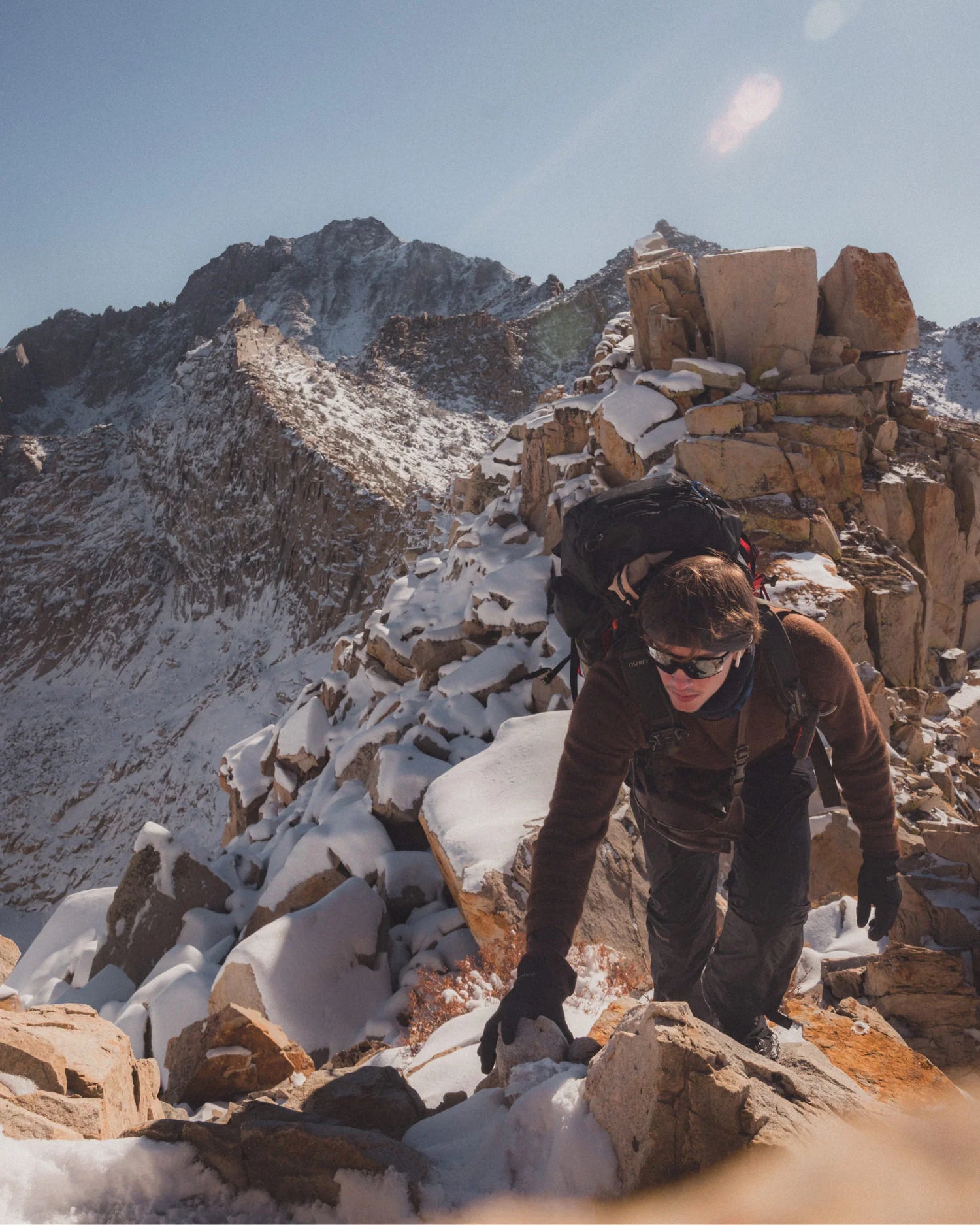
Bianca: At the top, we joined the south ridge, navigating exposed snowfields, crevasses, and fragile snow bridges. That’s when my energy started dropping fast. Ronnie nudged me on, knowing we had less than 500 meters to go.
Ronnie: It’s hard to judge someone’s mental state at altitude—especially when they might not be aware of it themselves—but we believed she had enough strength to summit and get down safely.
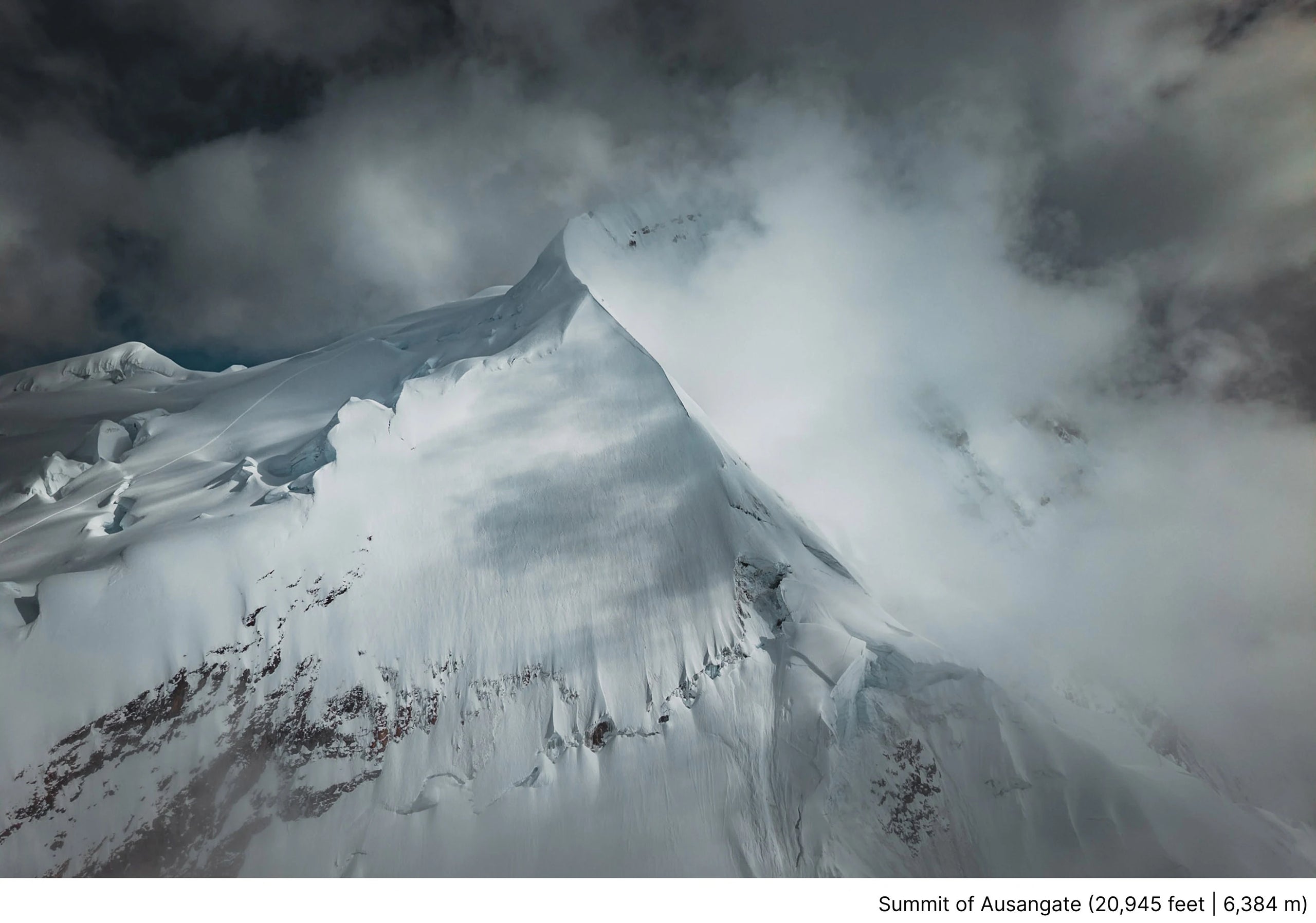
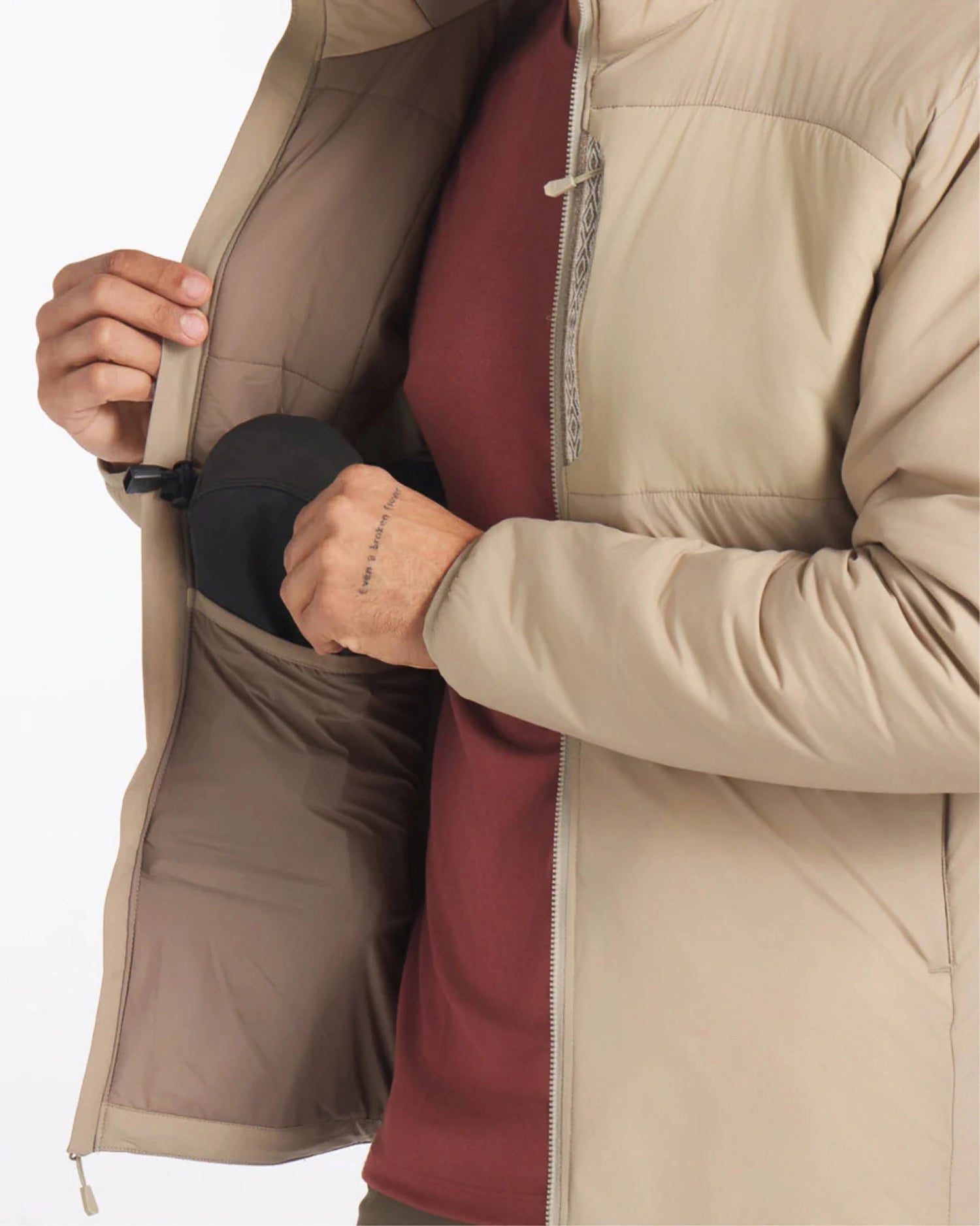
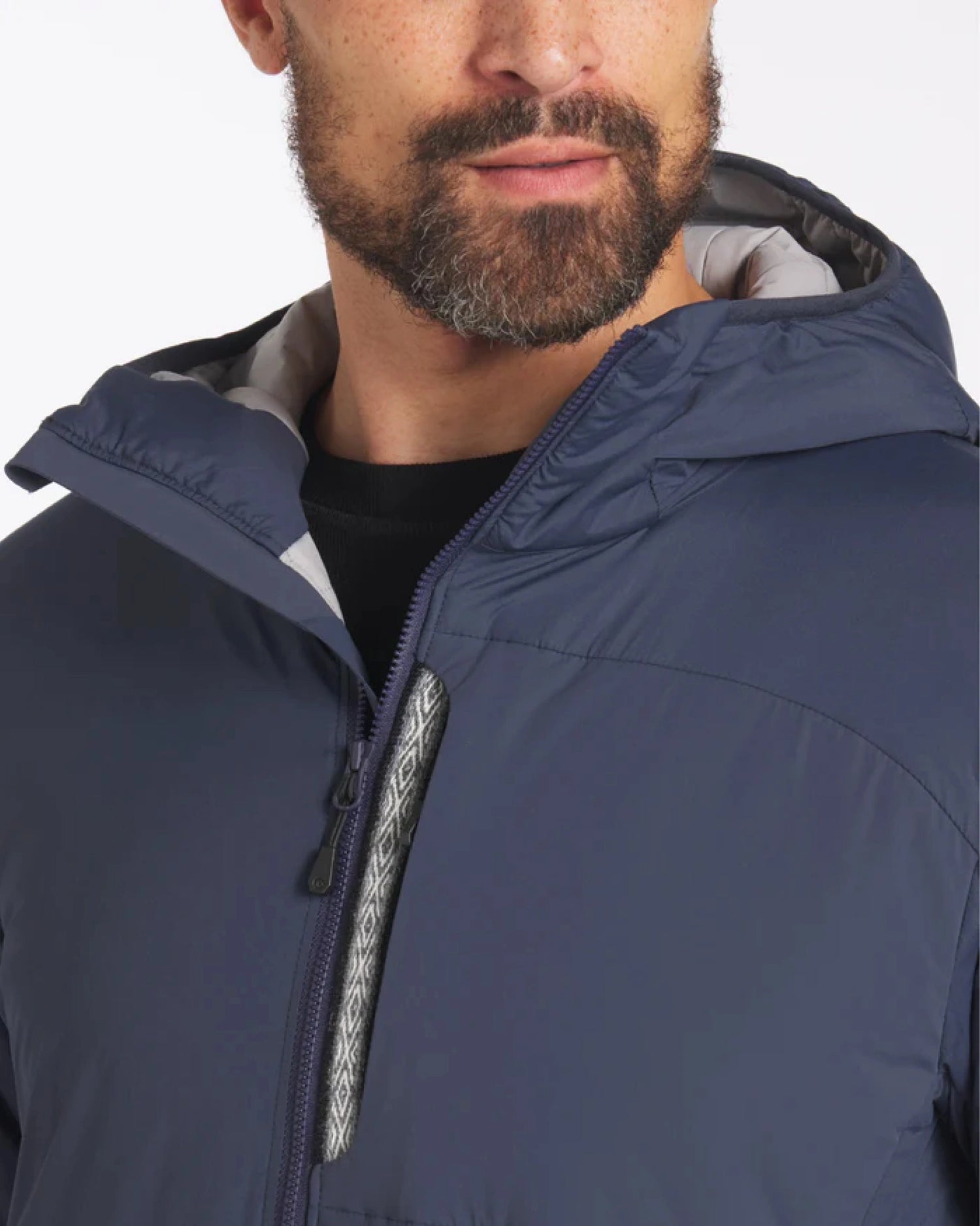
Bianca: Héctor led the way on the rope, breaking trail through soft snow that, at times, reached up to our waists. Every step was a battle. At around 20,500 feet, the summit finally came into view—so close it felt like you could reach out and toss a baseball to it. At this point, the warmth of our PAKA jackets and layers made all the difference, keeping us insulated from the bitter cold.

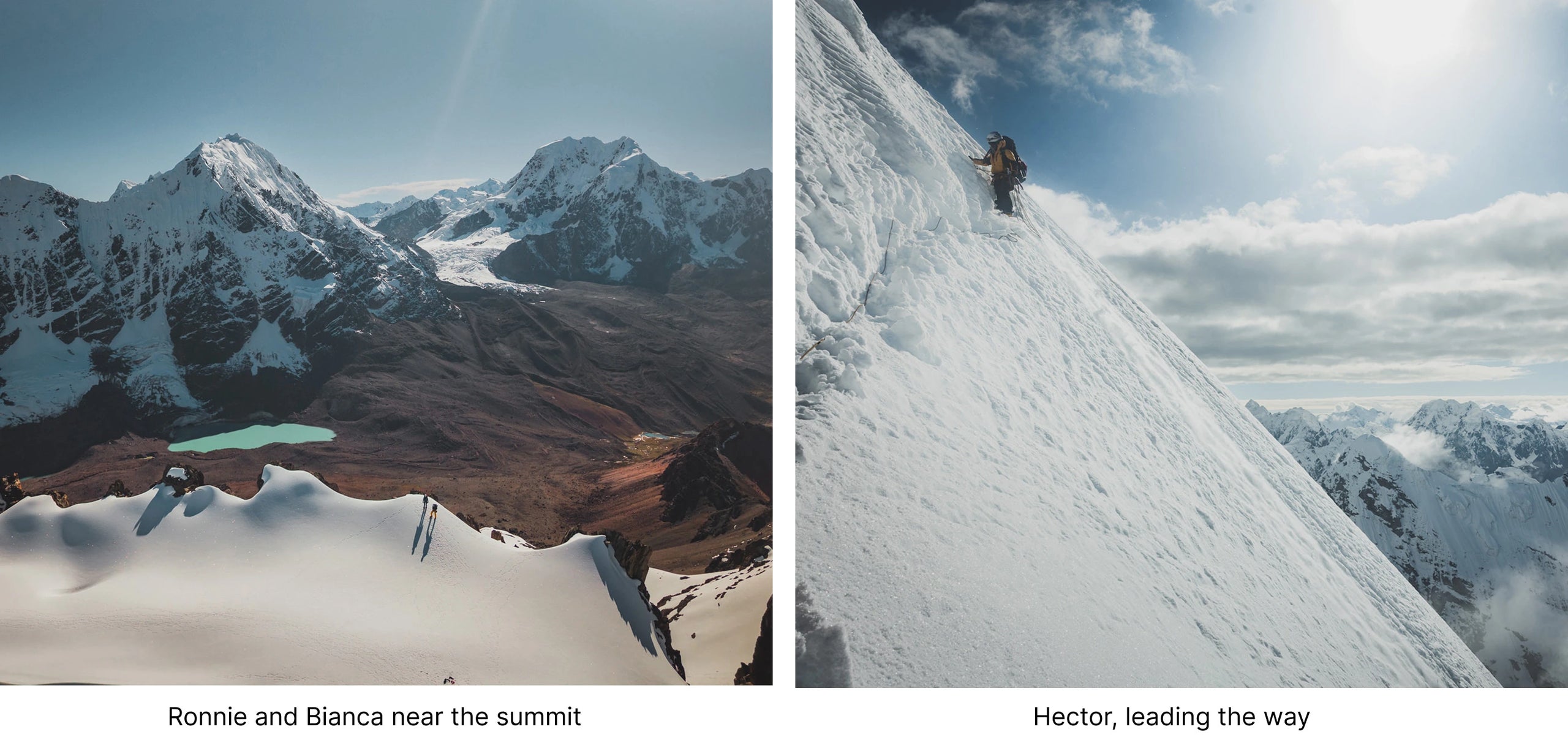


Ronnie: Just as we were eyeing the summit, Héctor and I turned around and saw Bianca collapsed in the snow. My heart sank. In an instant, Héctor shifted from summit mode to rescue mode. She was showing signs of High-Altitude Cerebral Edema—HACE—a dangerous condition where the brain swells, clouding judgment and masking physical limits.
Bianca: Trusting Héctor’s judgment, they didn’t even glance back at the summit—just 30 minutes away—and instead abandoned their summit push to get me down safely. With my condition worsening, the descent became our only focus. It was painfully slow; every step demanded precision, especially along the exposed south ridge, where a single misstep could send us plummeting thousands of meters into the ice-field below.
Ronnie: After hours and hours, we made it to high camp. The team was a little emotional and shaken up. Bianca needed to descend further, and so we sent her down and then began packing up camp.
Bianca: Instead of sticking to the original plan of spending another night at base camp, we decided to continue descending all the way back to our starting point. The further I descended, the better I felt—my condition improved significantly with every meter lower.
Ronnie: We made it down. We made it back. We definitely underestimated the difficulty of this mountain, and so we leave it with nothing but our respect. Ausangate is formidable for a reason. From a distance, its beauty cannot be overstated, but no one quite understands the elements of the mountain when you are up there.



This is a product carousel. Use the Next and Previous buttons or swipe left or right to browse through the available slides.
Bianca’s Packing List










This is a product carousel. Use the Next and Previous buttons or swipe left or right to browse through the available slides.
Ronnie’s Packing List










Join the herd.
We grant our community private access to new products and exclusive offers.