Skip to content



I’m always on the lookout to find sustainable, ethical, and functional gear for my adventures in the outdoors. So when I learned about PAKAFILL®, I was thrilled!
There are a variety of insulation materials available for outdoor apparel, but they often come at a sustainable and ethical cost. Down loses its insulation when wet and is often sourced through unethical practices such as live plucking feathers from ducks or geese. Synthetic down isn’t breathable, so it traps sweat and odour, and is also made from petroleum thus contributing to one of the biggest environmental issues of our time.
Right now, two-thirds of all clothing is synthetic. Every time these petroleum-based fabrics are washed, they can release over 9 million plastic microfibres into our waters, contributing to 35% of all microplastic pollution in the ocean. There are about 2.2 million tons of new microfibres entering our oceans each year and can be found on beaches, arctic ice, ocean floors, and everything in between.
Watch Rachael in Action

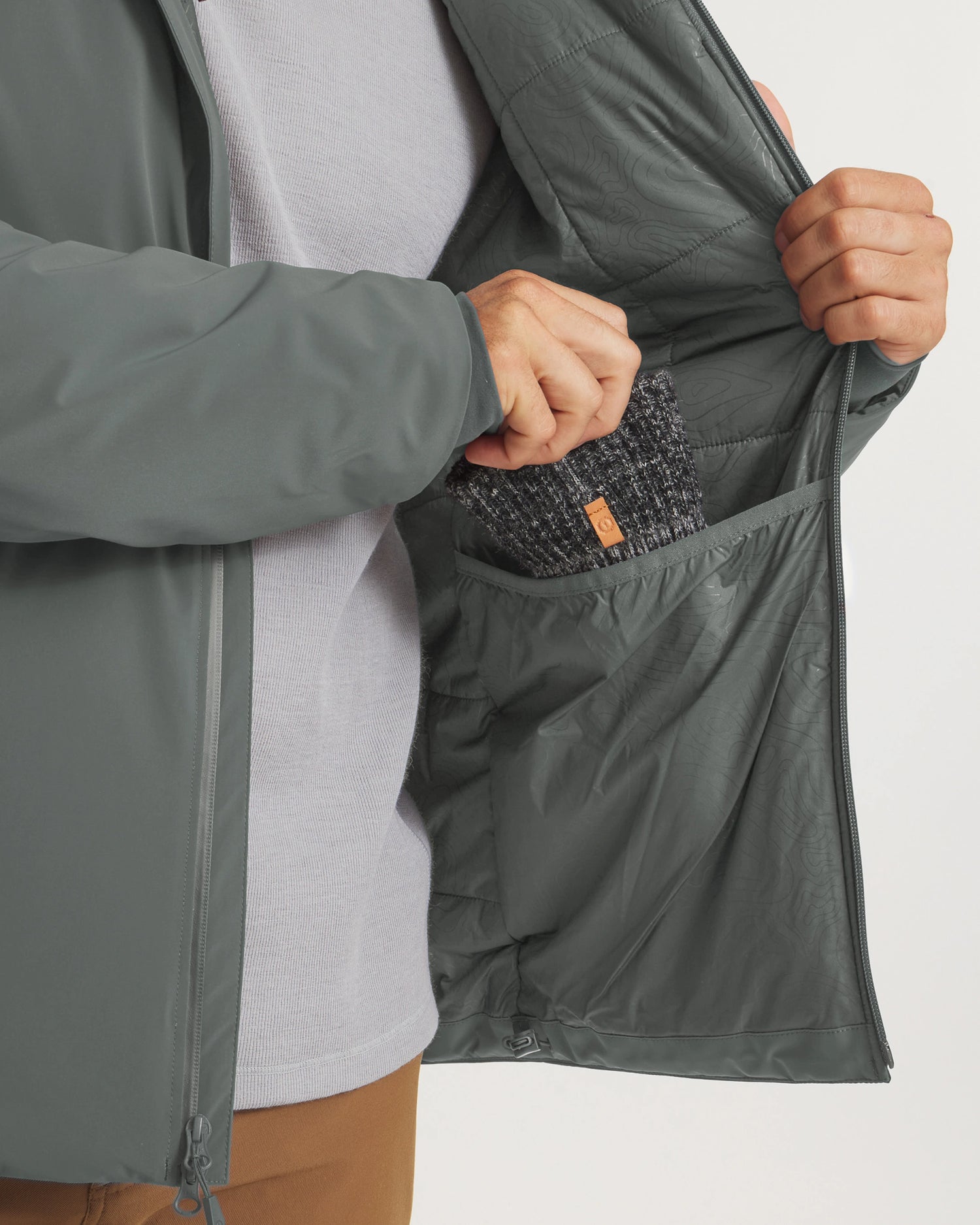
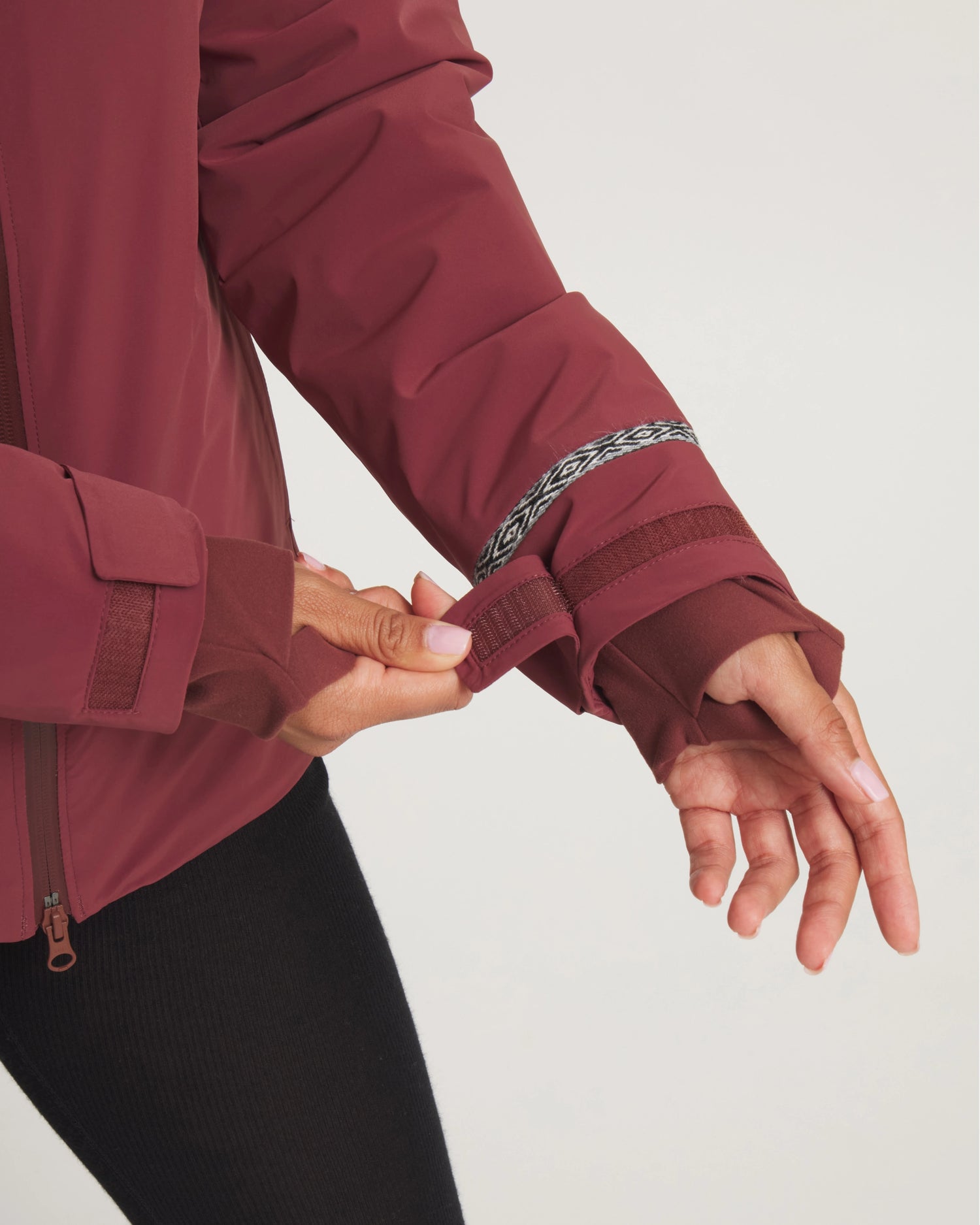
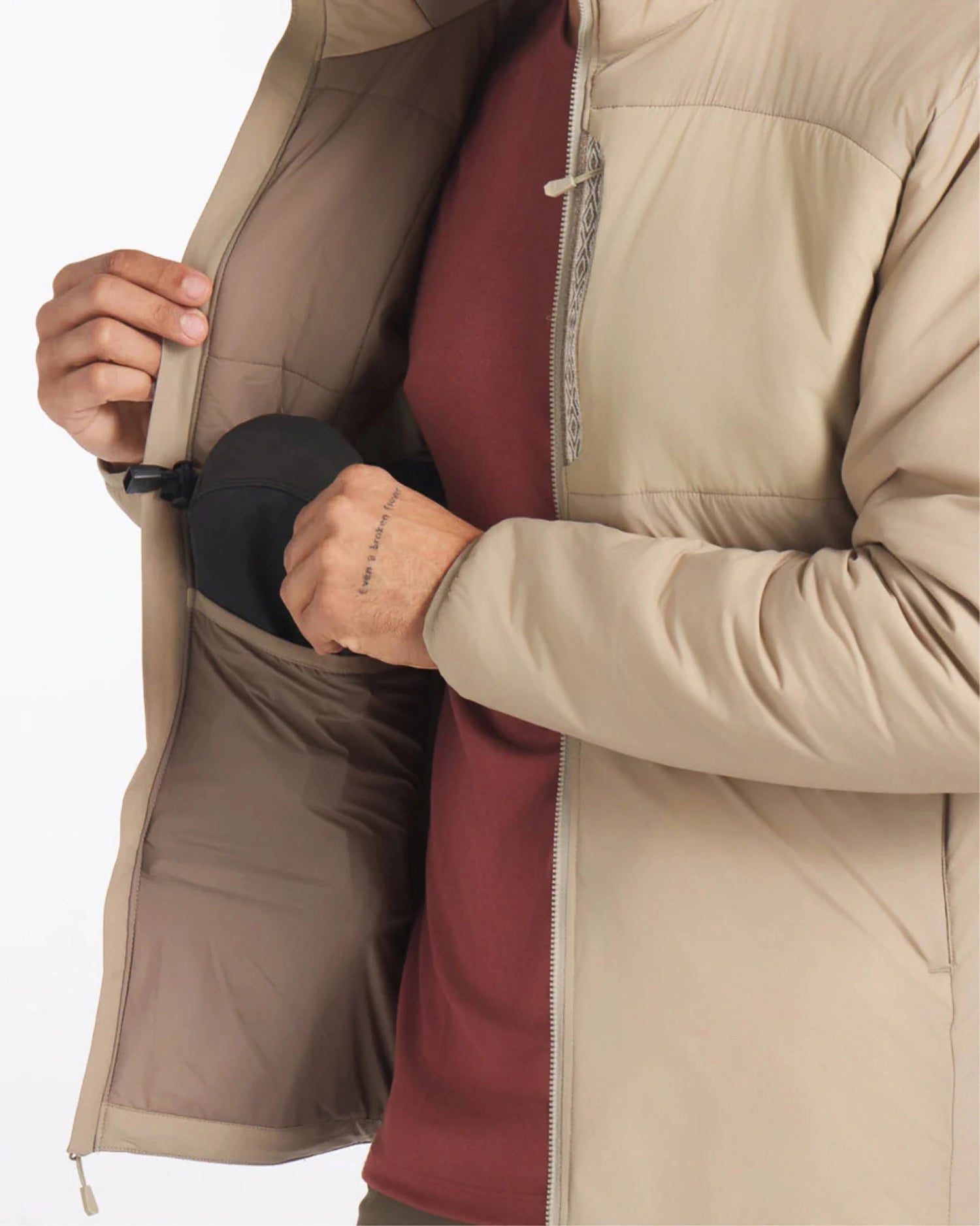
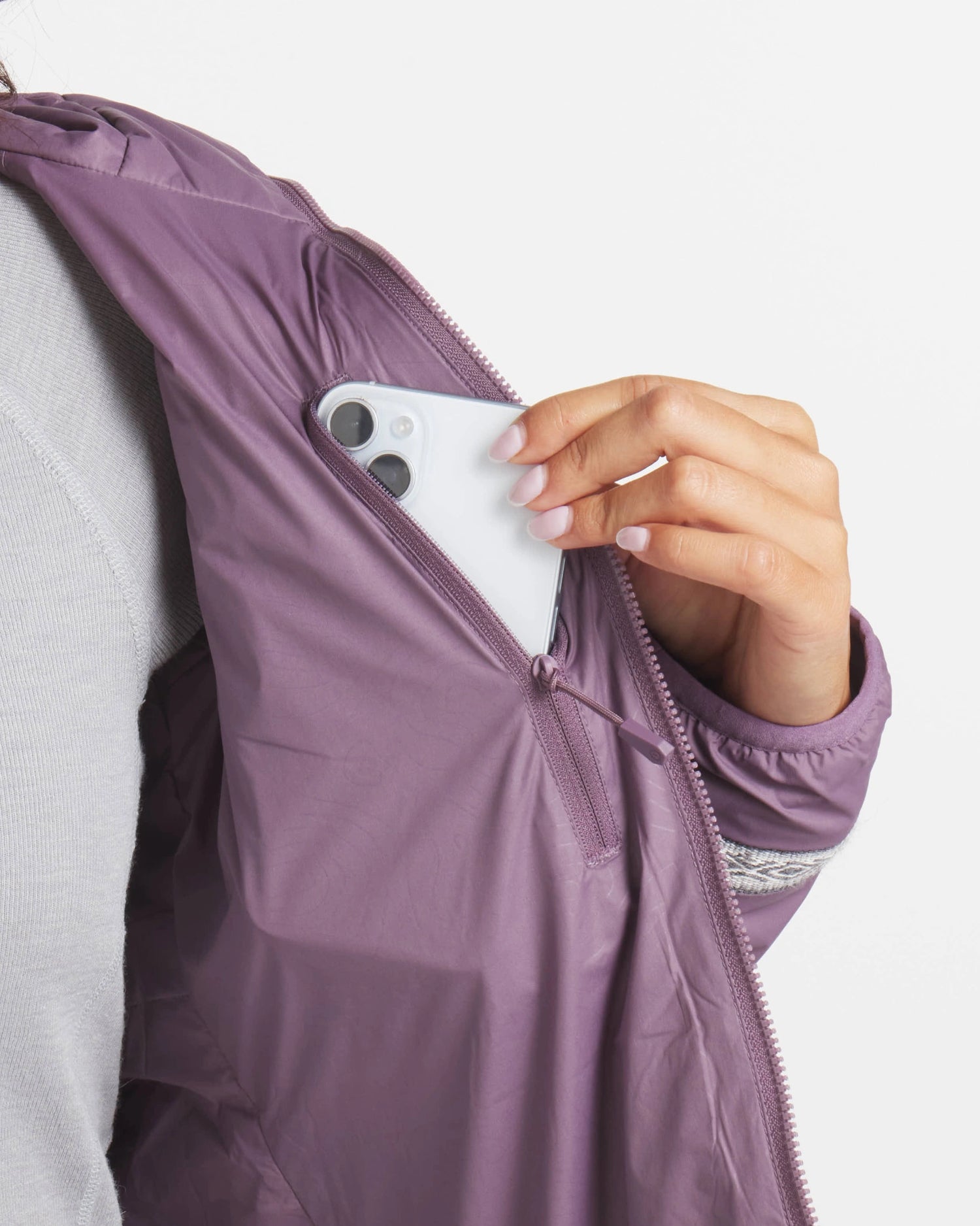
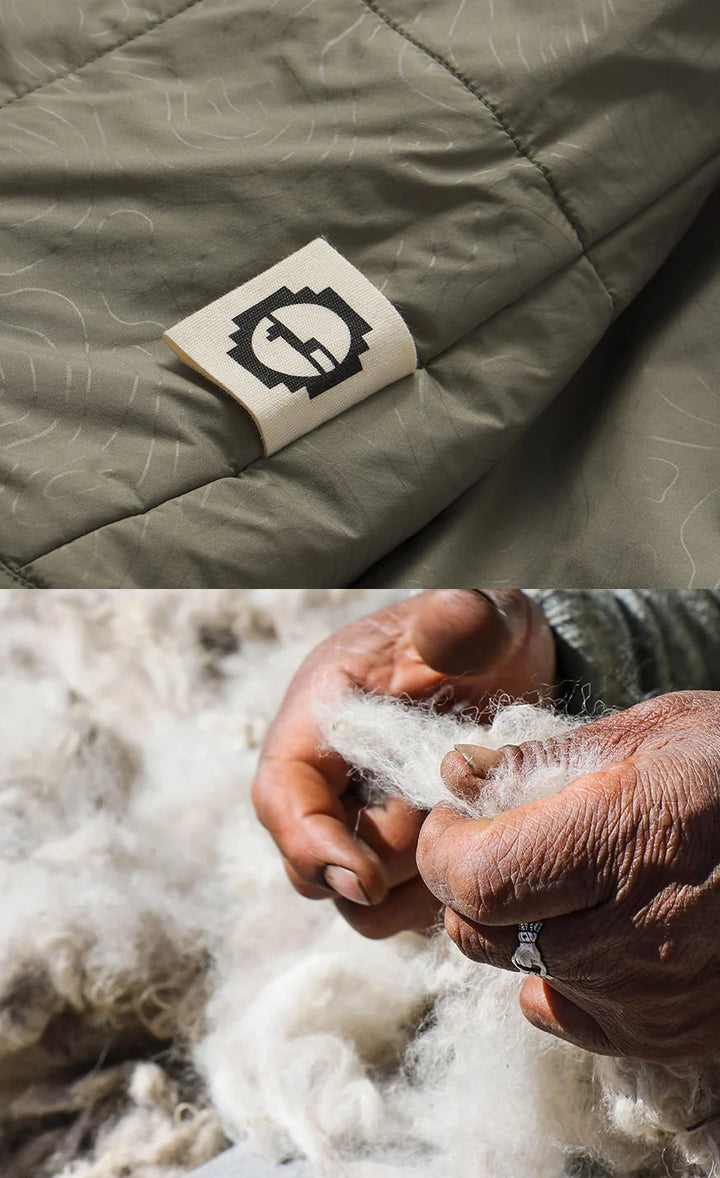
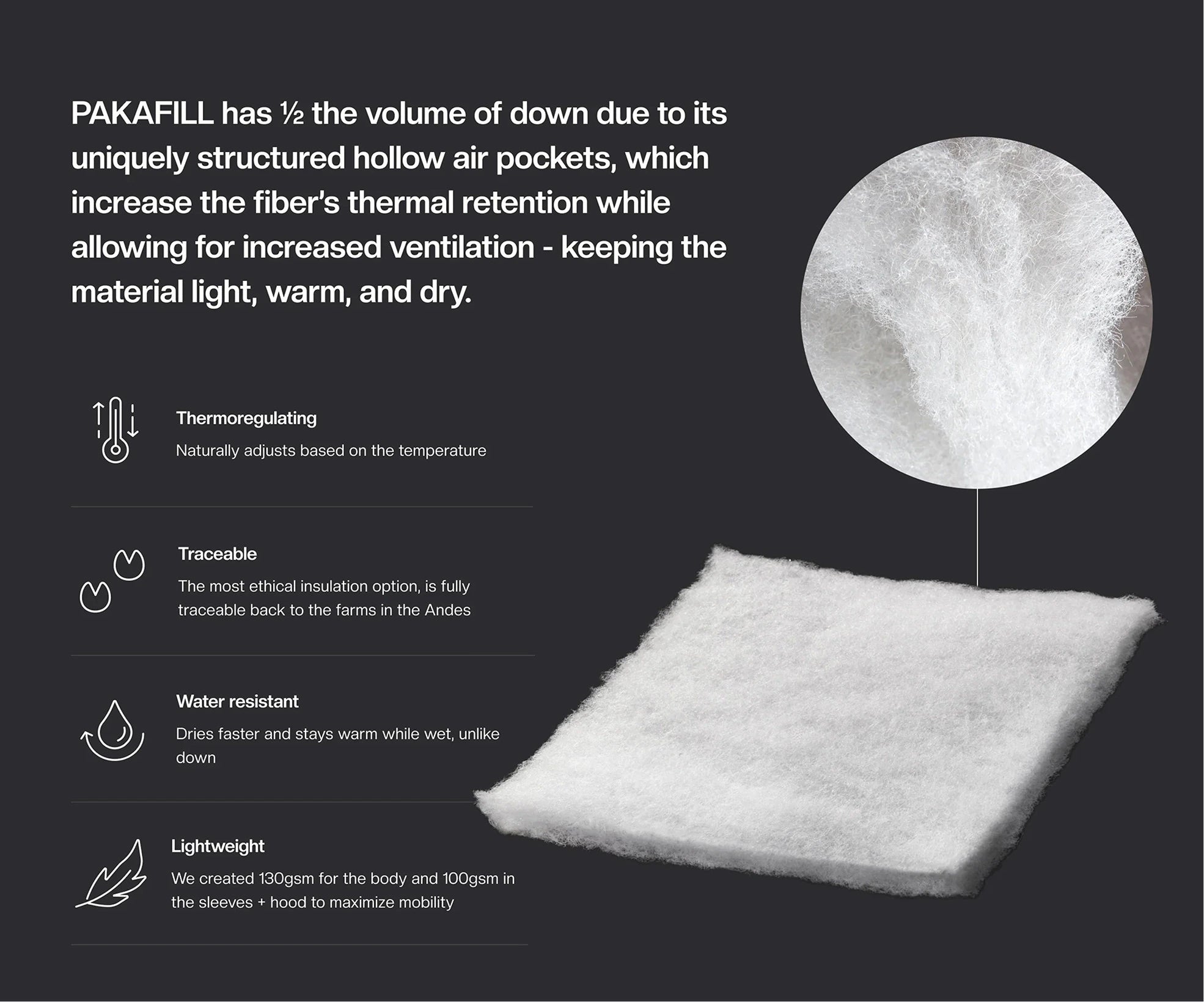
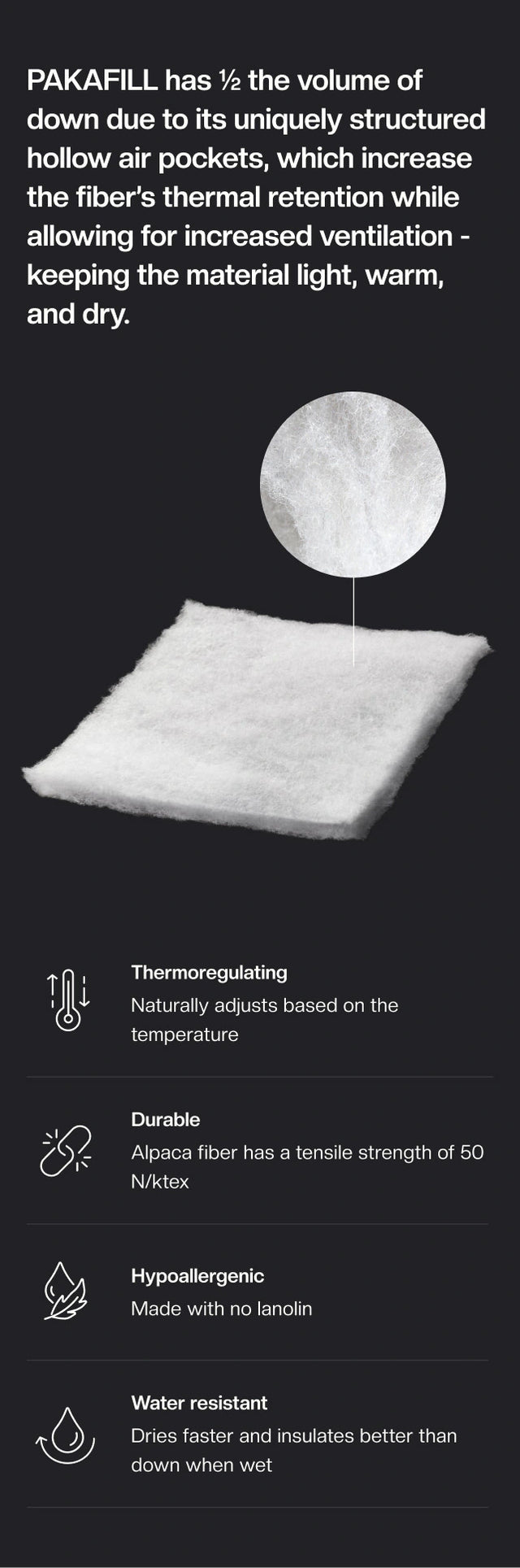
With microplastics and microfibres entering nature and our bodies, it’s important than ever for us to choose sustainable and natural alternatives. That’s where PAKAFILL® comes in. As the warmest ethical insulation in the world, it’s designed to keep you warm even in the harshest and wettest conditions. With a thermal CLO value of 2.1, the Apu Parka sustainable winter jacket offers warmth and coziness without bulk. Alpaca fibers are naturally lightweight - three times lighter than wool - and maintain insulation properties even when exposed to moisture. Alpaca fiber is naturally insulating, lightweight, and moisture-resistant because, in the wild, alpacas have adapted to living in extreme temperatures and wet conditions. This means, when you’re wearing PAKAFILL®, you’re benefiting from the same natural protection that helps alpacas thrive in the wild.


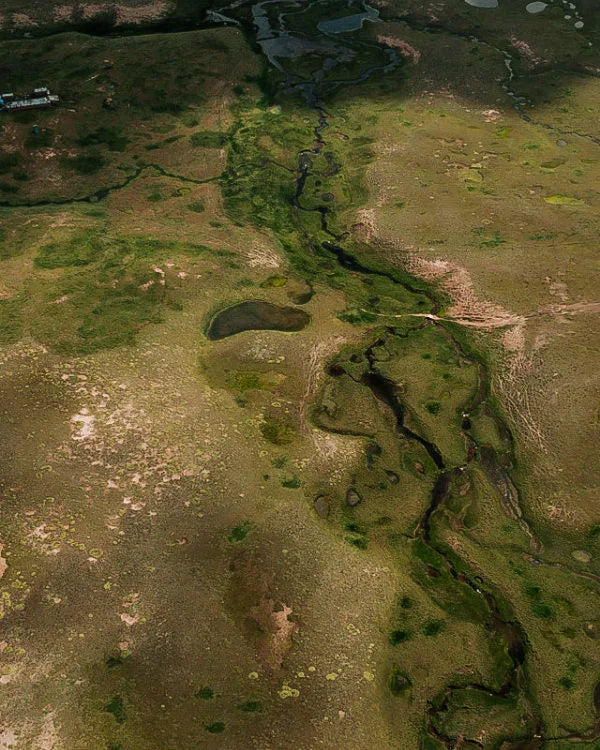
PAKA sources alpaca fibres ethically and sustainability from free-roaming alpacas in the Andes Mountains of Peru. Local farmers sheer the fibres through their ancient practices which helps maintain the health and hygiene of the animals. Unlike synthetic insulations, which are derived from fossil fuels, PAKAFILL® uses regenerative alpaca fiber to provide a more natural alternative.
By choosing PAKAFILL®, you’re not only staying warm but also supporting sustainable practices that respect animals, support Peruvian farmers, and protect the environment making a positive impact with every wear!



About the Author
Rachael Tancock, The Nature Educator, is a Naturalist and Content Creator who shares her knowledge and passion for nature through her @TheNatureEducator social media accounts to connect people with the natural world and encourage everyone to spend time outside. With a childhood filled with nature immersion and outdoor adventures on Vancouver Island, British Columbia, she has always been inspired by nature, curiosity, and exploration. Rachael has a Bachelor of Science in Geography and Environmental Studies, a Bachelor of Education, and is a Certified Interpretive Guide. She has a deep passion and interest in storytelling, biodiversity, sustainability, and conservation.
This is a product carousel. Use the Next and Previous buttons or swipe left or right to browse through the available slides.